
AC & Evaporator Coil Replacement in Fort Washington, MD – Addressing a Refrigerant Leak
Replacing a leaking air conditioning system while retaining the existing gas furnace and working within the homeowner's budget.
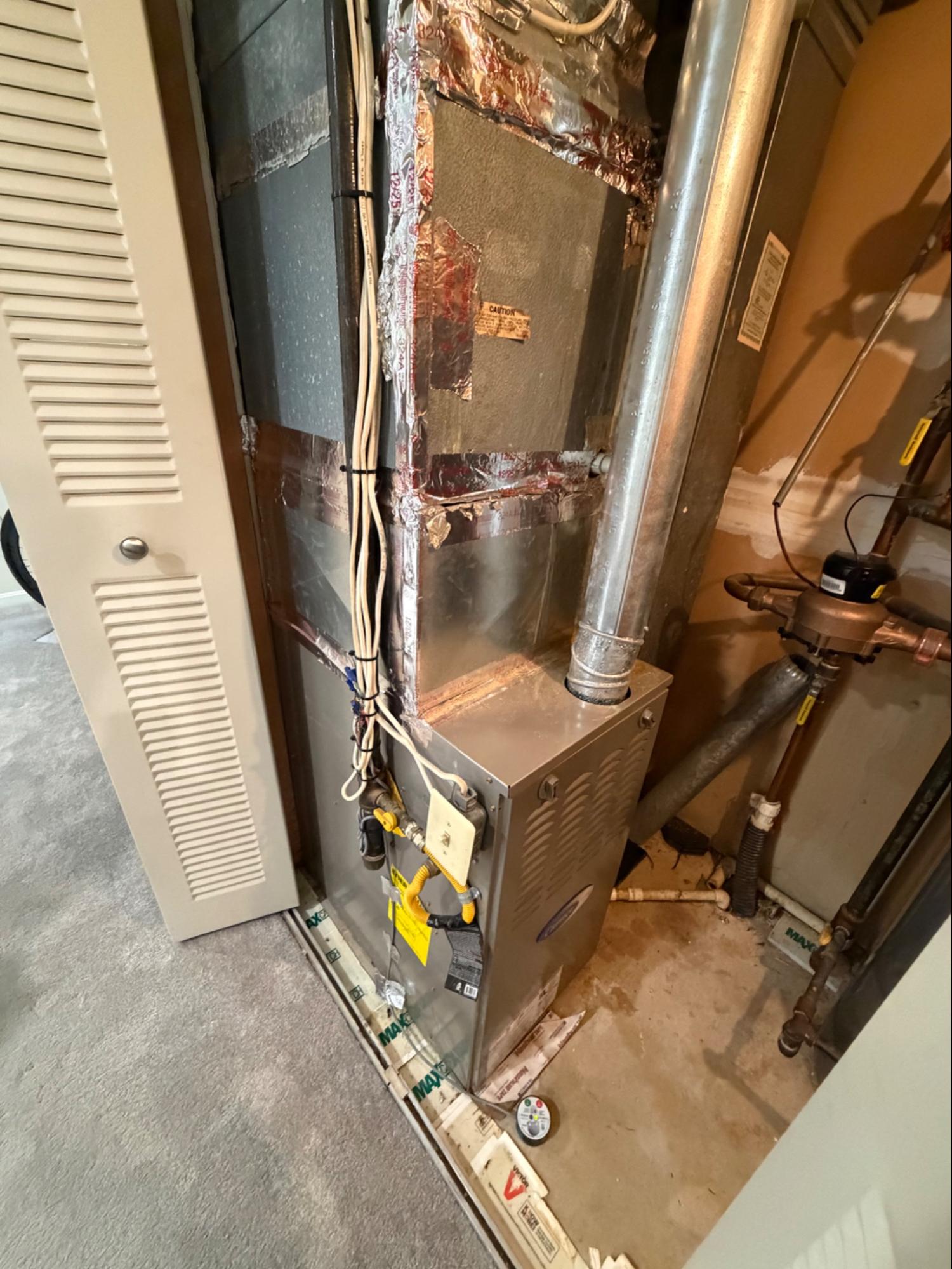
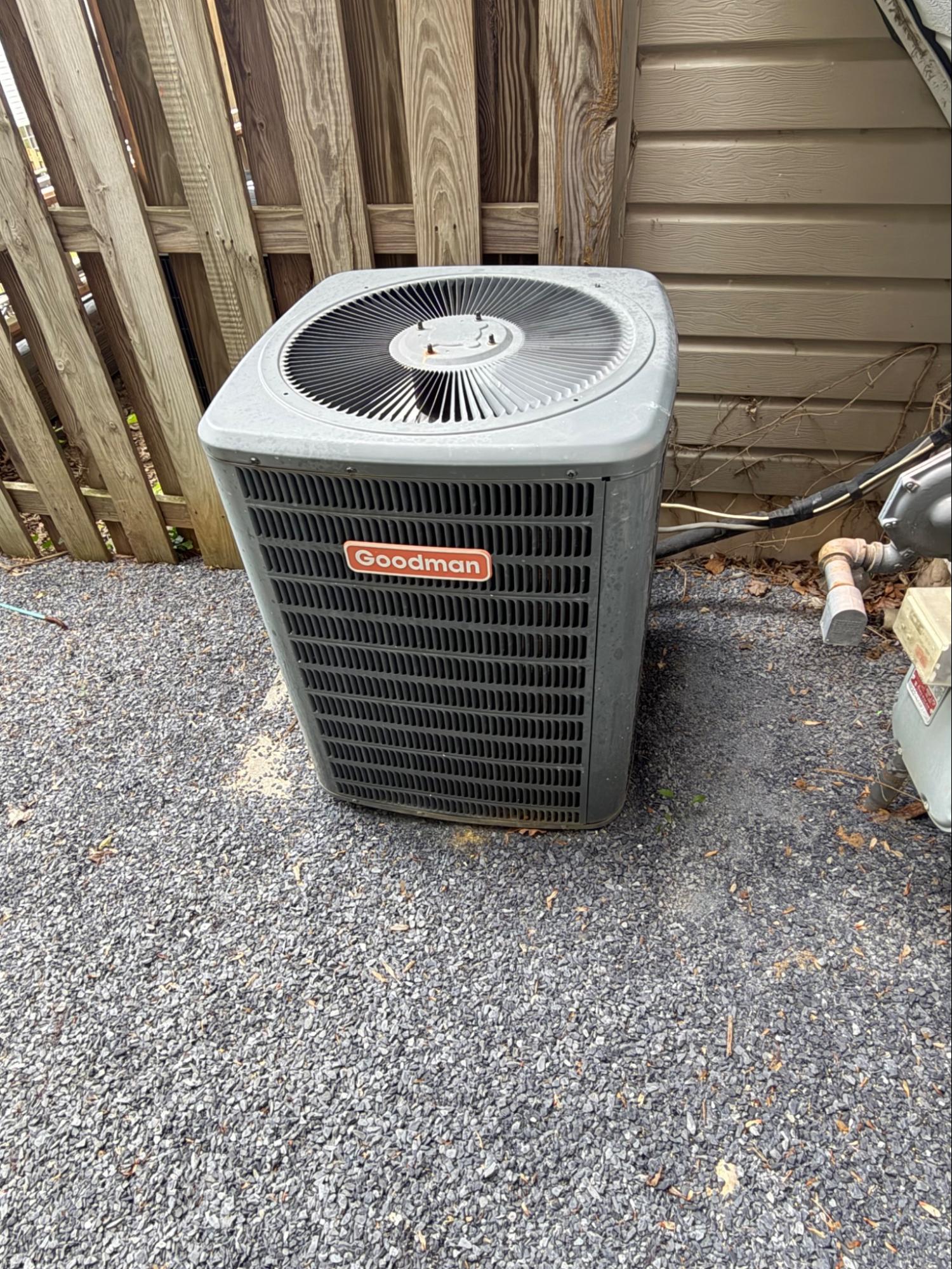
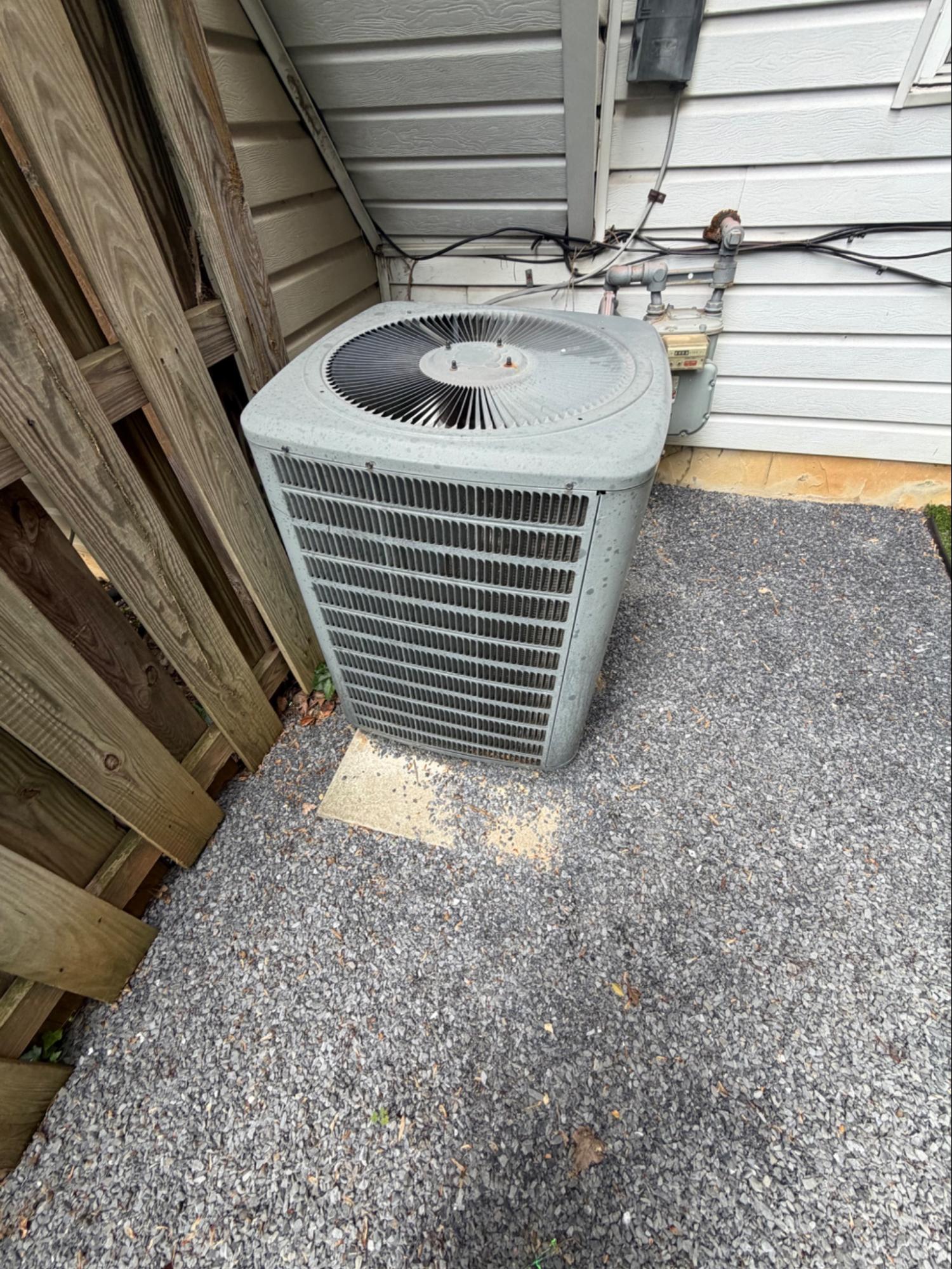
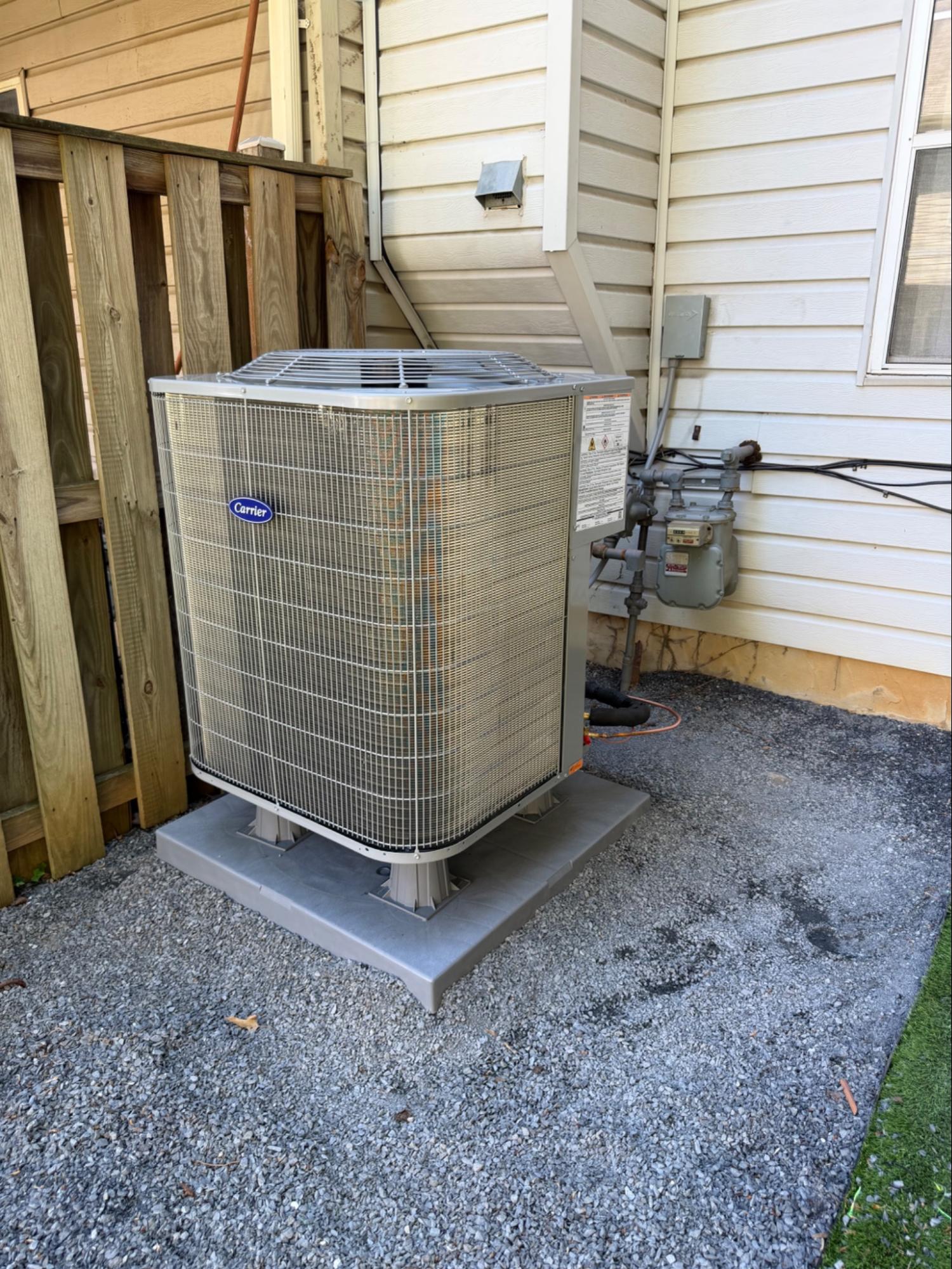
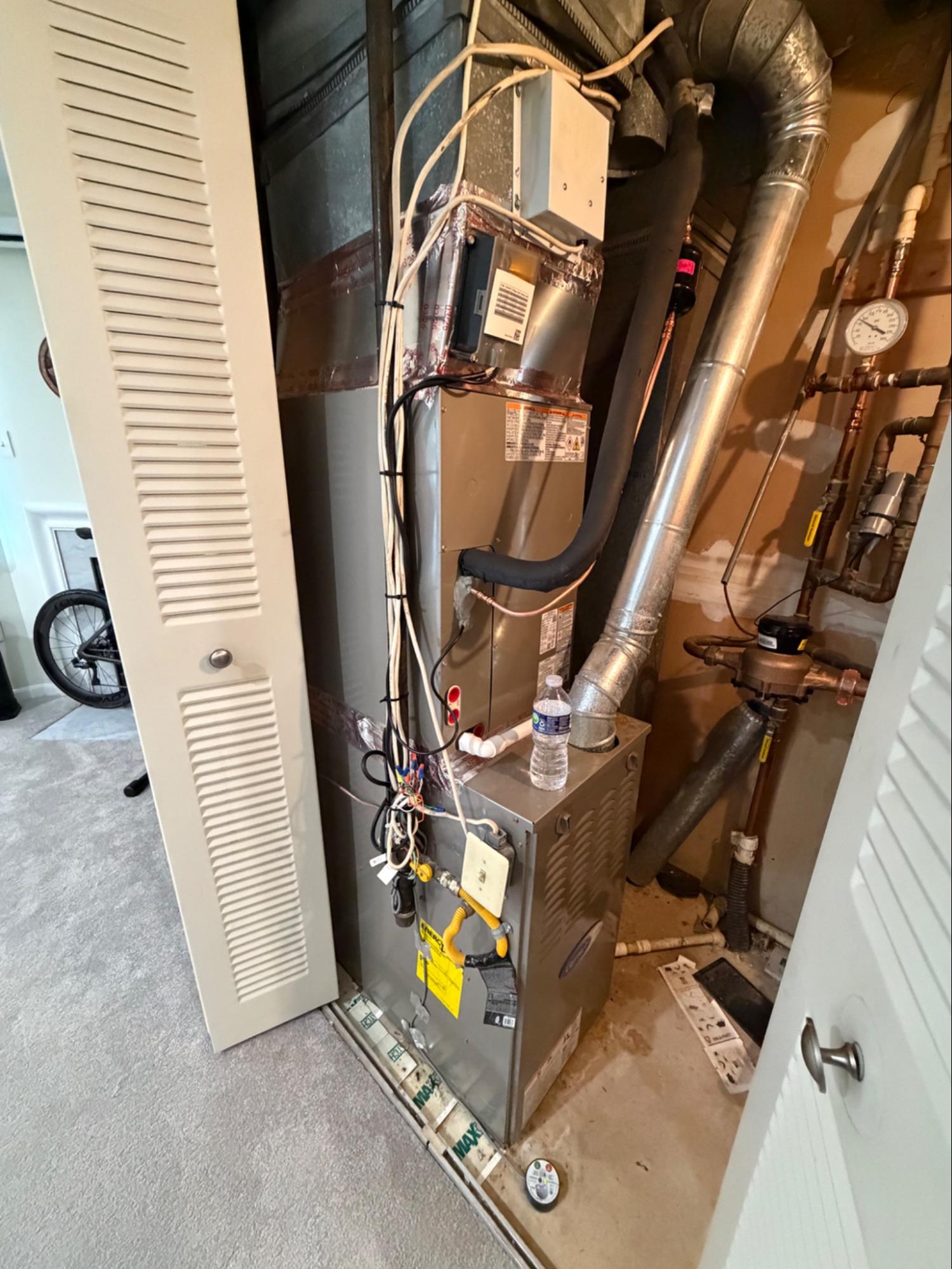

Project Location: Fort Washington, Maryland
Property Type: Residential Home
Service: Air Conditioner & Evaporator Coil Replacement
Equipment Replaced: Outdoor AC Condenser and Indoor Evaporator Coil
Existing Equipment Retained: Gas Furnace
The Challenge: No Air Conditioning Due to a Refrigerant Leak
A homeowner in Fort Washington, Maryland, contacted Capital Heat Pumps after experiencing a loss of air conditioning.
During our diagnostic visit, we identified a refrigerant leak affecting the existing cooling system.
Refrigerant leaks can lead to reduced cooling performance, longer operating times, and additional strain on HVAC components. Depending on the severity of the leak, the system may eventually struggle to maintain comfortable indoor temperatures.
After reviewing the situation, the homeowner decided to replace the existing air conditioner and indoor evaporator coil rather than continue investing in the leaking cooling equipment.
However, the homeowner wanted to retain the existing gas furnace and avoid additional installation costs wherever possible.
Our Solution: Replacing Only the Necessary Cooling Equipment
1. New Central Air Conditioning System
Our team replaced the existing outdoor air conditioning condenser with new cooling equipment.
The replacement addressed the homeowner’s need for an updated air conditioning system without requiring a complete heating and cooling equipment replacement.
2. New Indoor Evaporator Coil
Along with the outdoor condenser, we installed a new indoor evaporator coil matched to the replacement air conditioning system.
The evaporator coil is responsible for absorbing heat from indoor air during cooling operation. Proper equipment matching and installation are essential for efficient refrigerant operation and dependable cooling performance.
3. Retaining the Existing Gas Furnace
Because the homeowner wanted to keep the existing furnace, our installation focused exclusively on replacing the cooling components.
Retaining a furnace can be a practical option when the equipment is in suitable condition and compatible with the new air conditioning system.
This approach helped reduce the overall replacement cost by avoiding unnecessary heating equipment replacement.
Our Recommendation: Additional Condensate Overflow Protection
During the replacement process, we also discussed an important concern involving the location of the indoor HVAC equipment.
The existing furnace and evaporator coil were installed in an area with carpeting beneath the equipment.
If a condensate drain becomes clogged, disconnected, or begins leaking, water could potentially escape from the cooling system and damage the surrounding carpet and flooring.
To help reduce this risk, Capital Heat Pumps recommended installing an auxiliary condensate drain pan beneath the indoor HVAC equipment.
An appropriately installed auxiliary drain pan can provide an additional layer of protection by collecting water from certain condensate drainage failures. Depending on the installation, it may also be paired with a moisture safety switch to help shut down cooling operation when water accumulates.
We explained the benefits of this protection and the potential consequences of a condensate overflow.
However, due to budget considerations, the homeowner decided not to include the additional drain pan in the project.
We respected the homeowner’s decision and proceeded with the agreed-upon AC and coil replacement, while keeping the recommendation for additional water protection available for future consideration.
Balancing Essential Repairs and Optional Improvements
Not every homeowner is prepared to invest in every recommended HVAC improvement at the time of a system replacement.
For this project, the customer’s main priority was replacing the leaking air conditioning equipment and restoring dependable cooling without replacing the existing furnace or adding further accessories.
Our responsibility was to identify the necessary work, explain the available options, and communicate the risks associated with declining recommended improvements.
Although the auxiliary drain pan was not included in the homeowner’s selected scope, we emphasized the importance of proper condensate drainage and routine maintenance to reduce the likelihood of water-related problems.
At Capital Heat Pumps, we believe homeowners should have the information they need to make informed decisions about their HVAC systems, even when they choose a more limited installation scope.
The Results: A Focused AC and Coil Replacement
The completed project provided the homeowner with updated cooling equipment while retaining the existing heating system.
Project highlights included:
- Responded to a no-air-conditioning service call in Fort Washington, MD.
- Identified a refrigerant leak in the existing cooling system.
- Replaced the outdoor air conditioning condenser.
- Installed a new matched indoor evaporator coil.
- Retained the existing gas furnace.
- Recommended an auxiliary condensate drain pan to help protect the surrounding carpet and flooring.
- Completed the agreed-upon replacement without additional optional accessories.
This project demonstrates our commitment to providing practical HVAC solutions while communicating recommendations that can help homeowners protect their properties.
Why Condensate Drainage Protection Matters
Air conditioning systems naturally remove moisture from indoor air during cooling operation.
That moisture collects in the evaporator coil’s primary drain pan and is directed away through a condensate drain line.
If the drainage system becomes blocked or fails, water may overflow into the surrounding area.
For HVAC systems installed above finished floors or carpeting, condensate overflow can potentially cause damage to flooring, walls, ceilings, and nearby building materials.
Depending on the equipment location and applicable installation requirements, additional protection may include:
- An auxiliary condensate drain pan.
- A condensate overflow safety switch.
- Properly routed condensate drain piping.
- Routine inspection and cleaning of the drainage system.
These measures help reduce the risk of water damage and support long-term system maintenance.
Need an AC or Evaporator Coil Replacement in Fort Washington, MD?
At Capital Heat Pumps, we specialize in residential air conditioning replacements, refrigerant leak diagnostics, evaporator coil installations, furnace services, and complete HVAC system upgrades.
Whether your air conditioner has stopped cooling, developed a refrigerant leak, or reached the point where replacement makes more sense than continued repairs, our team can help you evaluate your options.
We also provide condensate drainage improvements and overflow protection solutions to help safeguard your home.
We proudly serve homeowners throughout Fort Washington, Prince George’s County, and the surrounding Maryland and DC Metro areas.
Contact Capital Heat Pumps today to schedule an HVAC evaluation or request an estimate for your air conditioning replacement.
Capital Heat Pumps — Professional HVAC Solutions, Clear Recommendations, and Quality Workmanship.
