
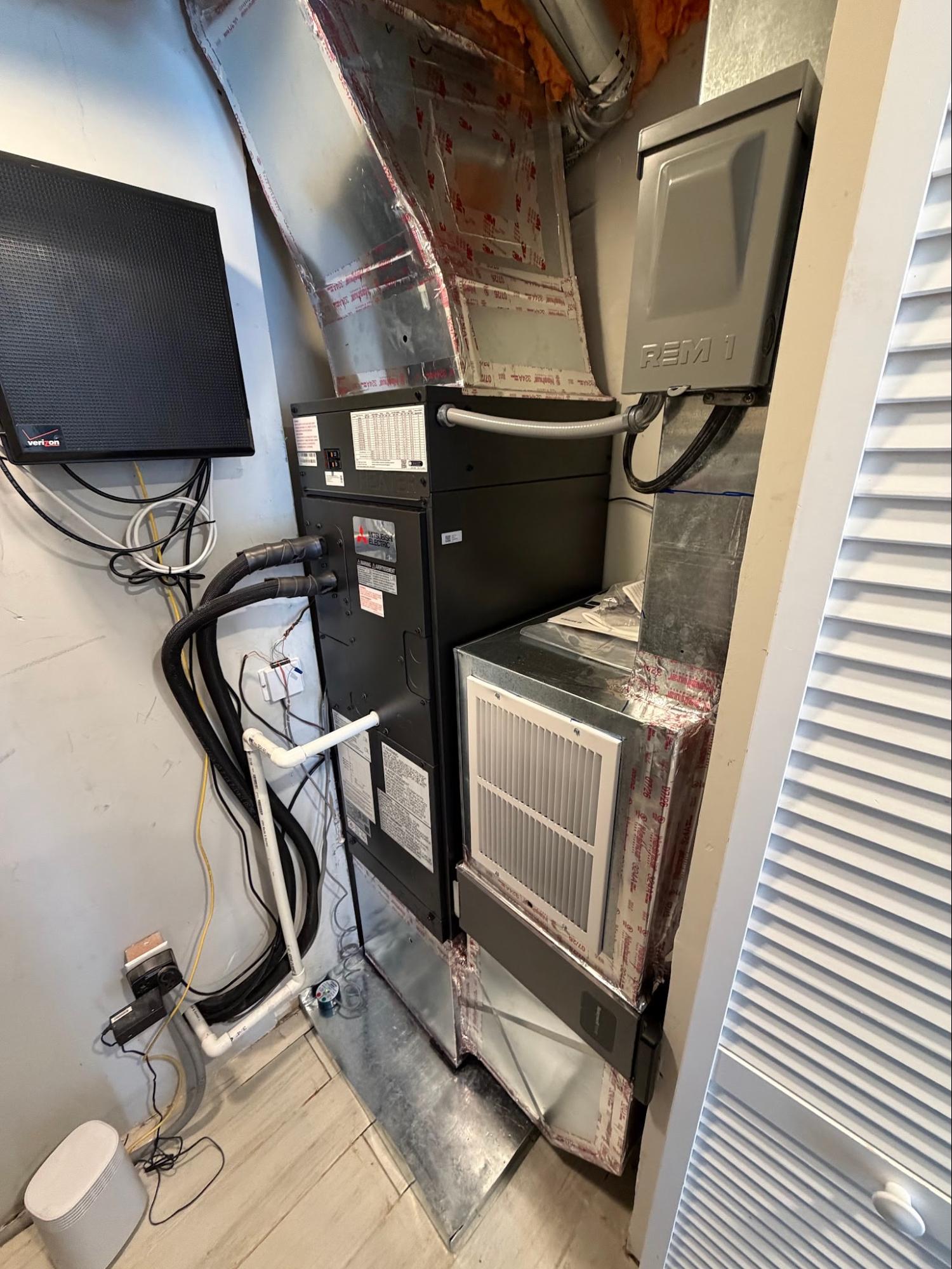
Case Study: Replacing an Oversized Heat Pump in Washington, DC
How Capital Heat Pumps helped a Washington, DC homeowner resolve premature compressor failure, improve indoor comfort, reduce noise, and reclaim…
Most contractors claim they do great work, but very few will show you the testing data behind their claims. Call Capital Heat Pumps at (301) 795-8896 to review real project files from homes built just like yours. We document our work on every street across Accokeek, MD, and surrounding Prince George's County neighborhoods, and replacement quotes are always free.
Swapping out an old heating and cooling cabinet is simple enough. The real question is whether that new equipment actually fixes the cold bedroom upstairs, lowers your summer electric bills, or eliminates high indoor humidity. Capital Heat Pumps keeps thorough diagnostic records on every project we complete. Our case studies come directly from local neighborhoods—including mid-century ramblers along Livingston Road, split-levels near Accokeek Creek, and newer two-story builds out toward Farmington.
How Capital Heat Pumps helped a Washington, DC homeowner resolve premature compressor failure, improve indoor comfort, reduce noise, and reclaim…
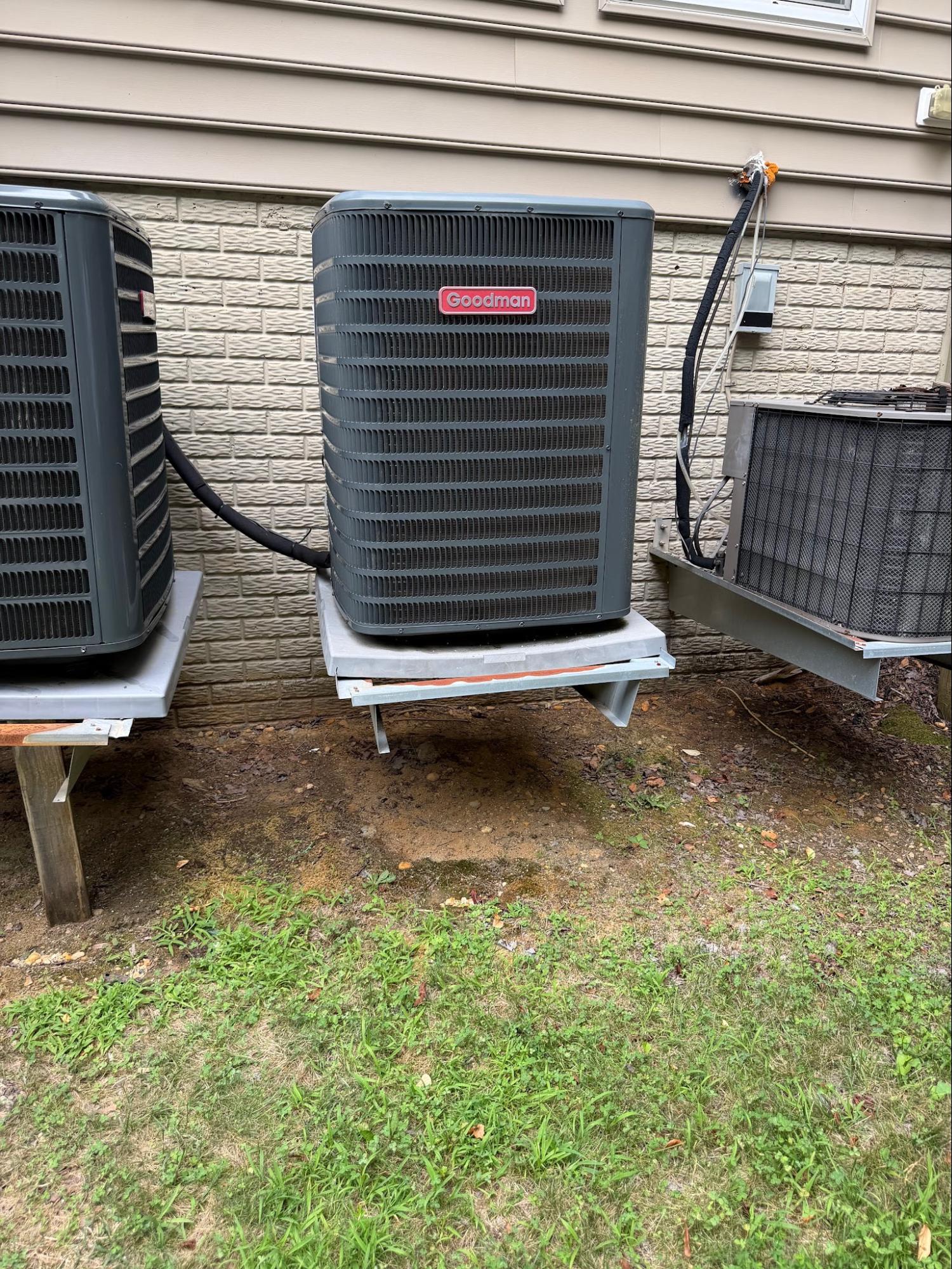
How Capital Heat Pumps helped a Waldorf homeowner address recurring heat pump freeze-ups, winter electric bills exceeding $1,000, restrictive…
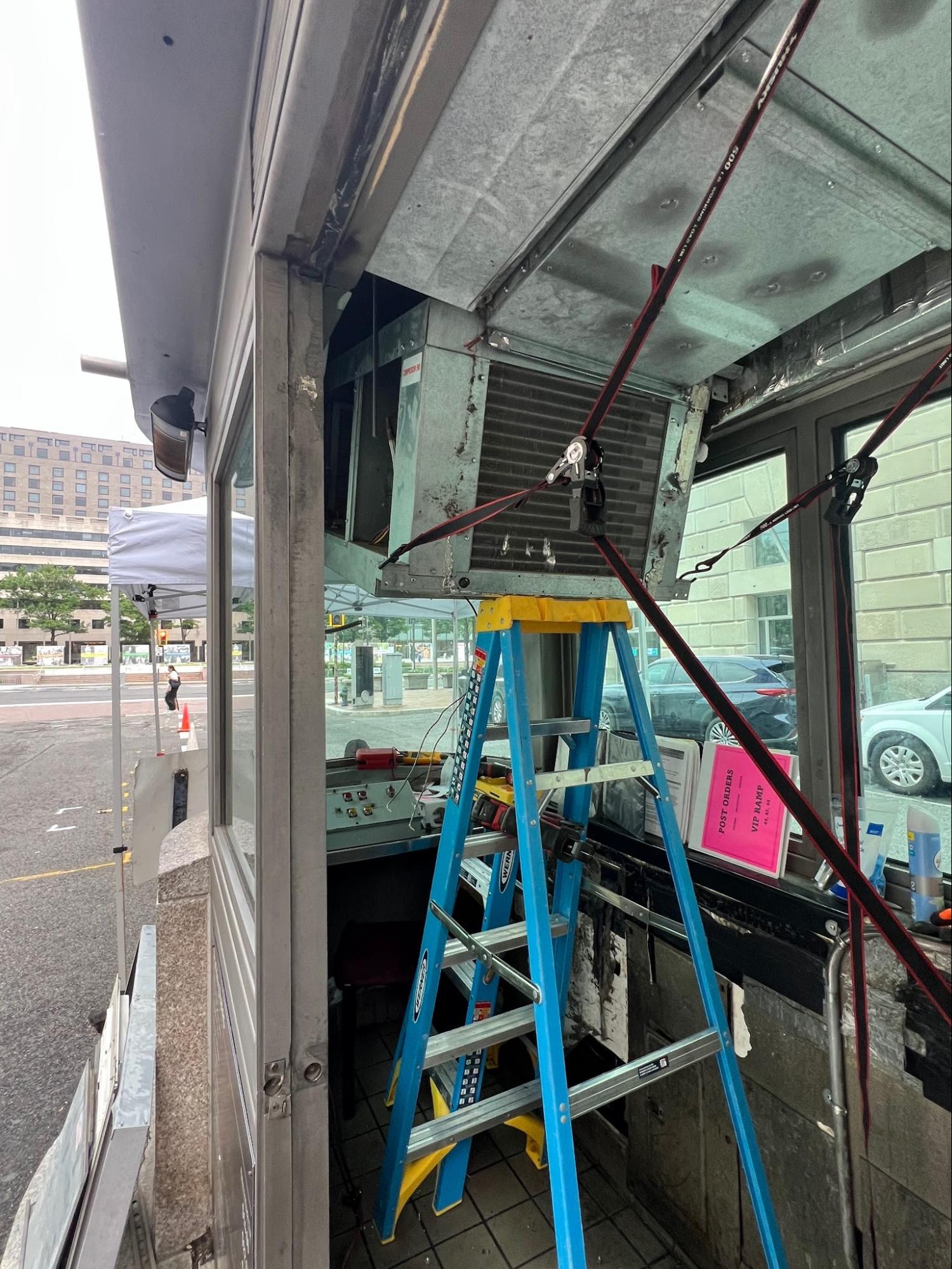
How Capital Heat Pumps replaced a bulky, noisy ceiling-mounted packaged HVAC unit with a modern four-way ceiling cassette mini-split system…
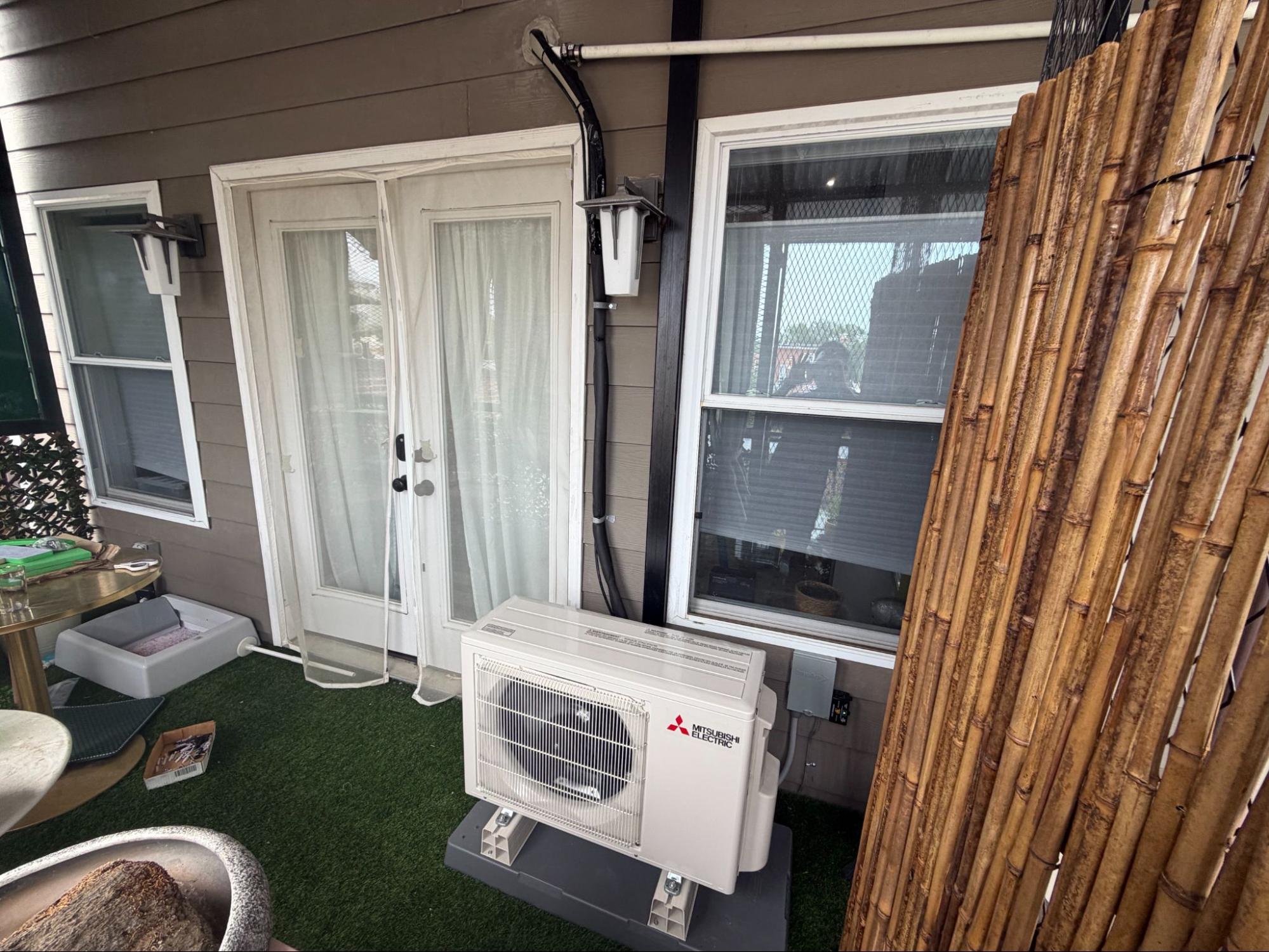
How Capital Heat Pumps restored a completely inoperable central HVAC system, identified the real cause of an uncomfortable upstairs master bedroom…
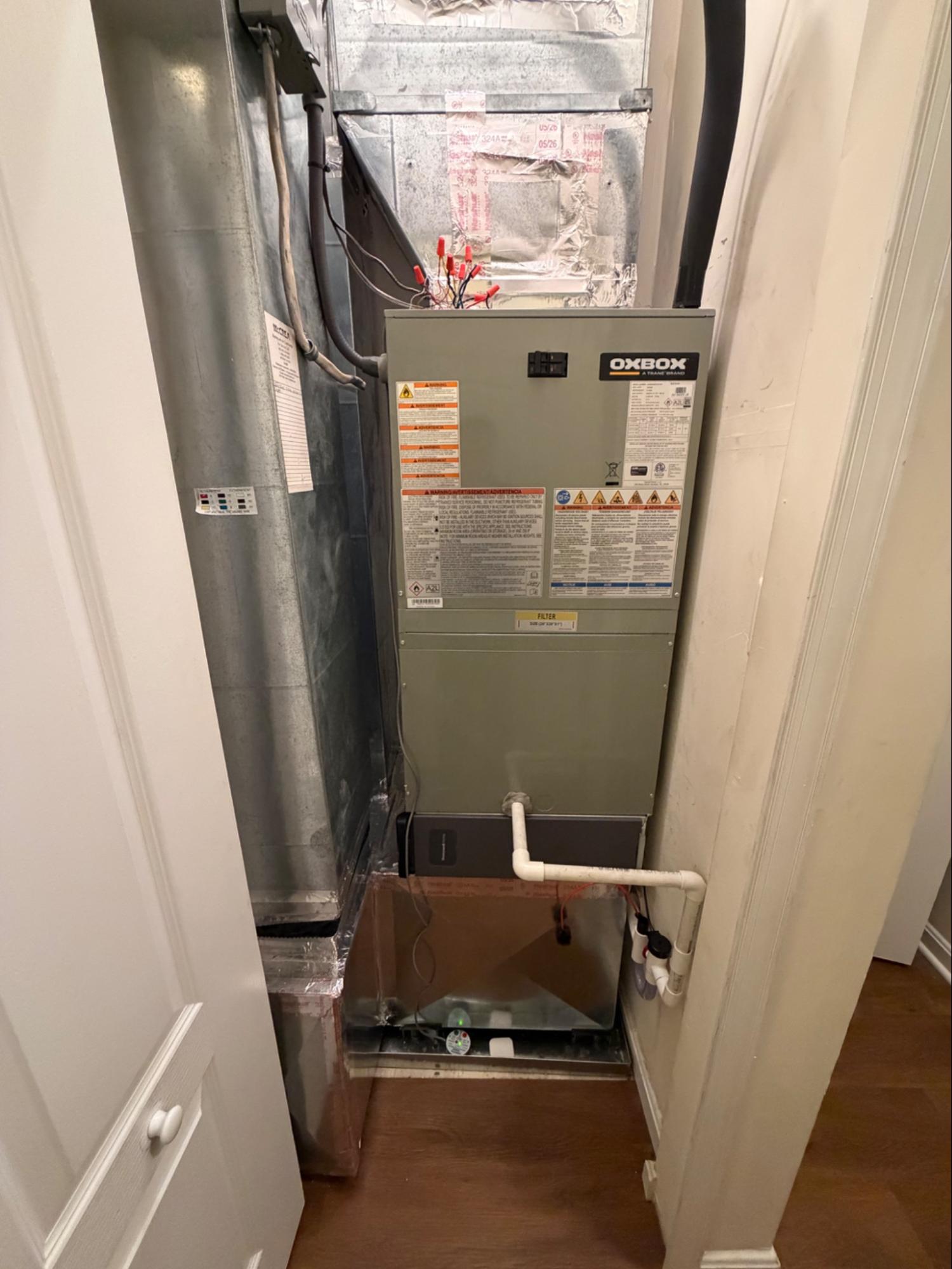
Improving Energy Efficiency, Airflow, and Indoor Air Quality While Meeting HOA Requirements

How Capital Heat Pumps helped a townhome owner resolve installation issues, improve airflow, and regain confidence in her heating and cooling system.
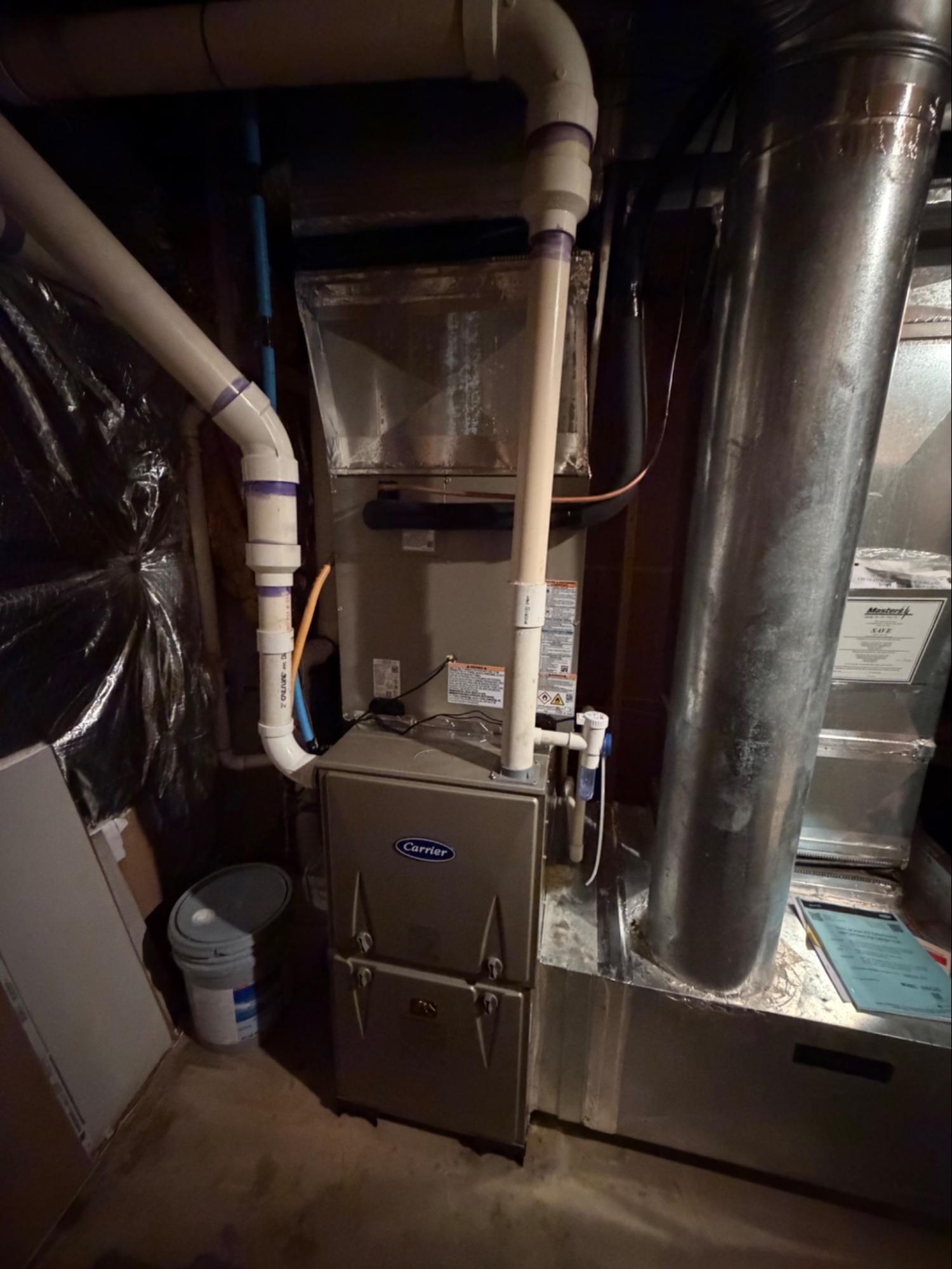
Replacing an aging R-22 air conditioning system with modern, energy-efficient heating and cooling equipment while keeping the homeowner’s budget and…
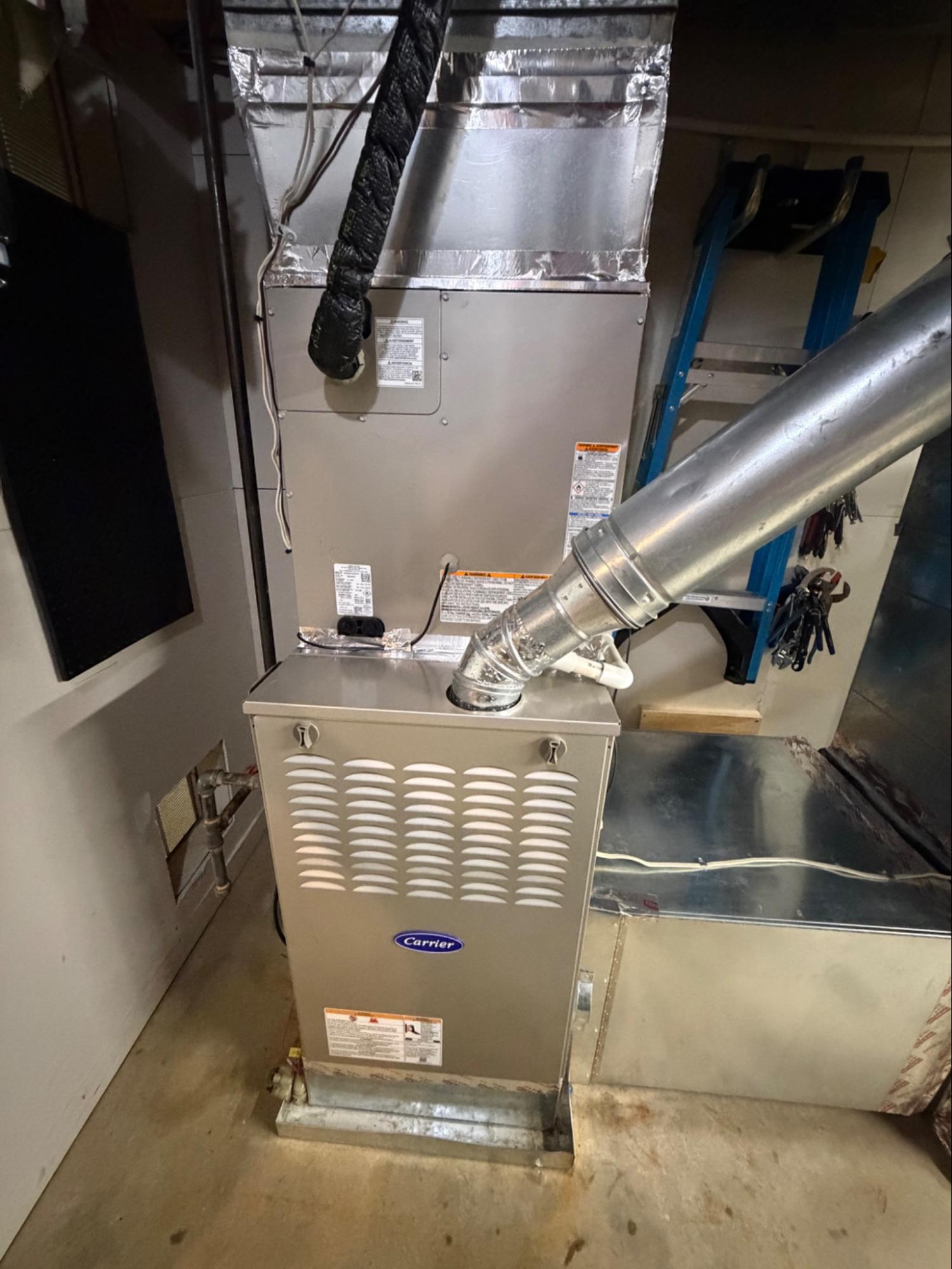
After diagnosing a failed air conditioning compressor, Capital Heat Pumps helped a Fort Washington homeowner compare repair and replacement options…

Replacing an aging Airtemp heat pump with a new Trane heating and cooling system, improved outdoor equipment support, and additional attic water…
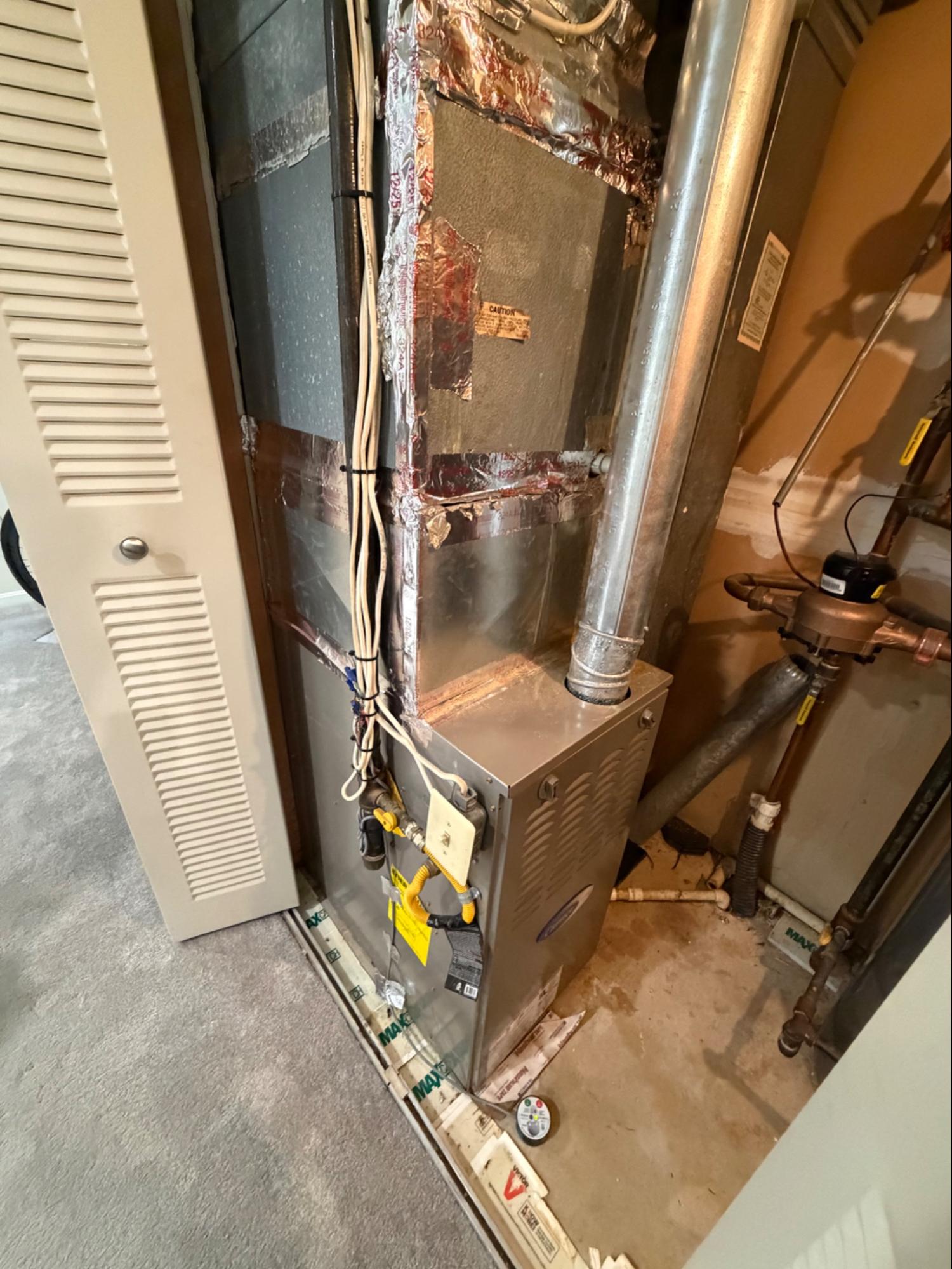
Replacing a leaking air conditioning system while retaining the existing gas furnace and working within the homeowner’s budget.
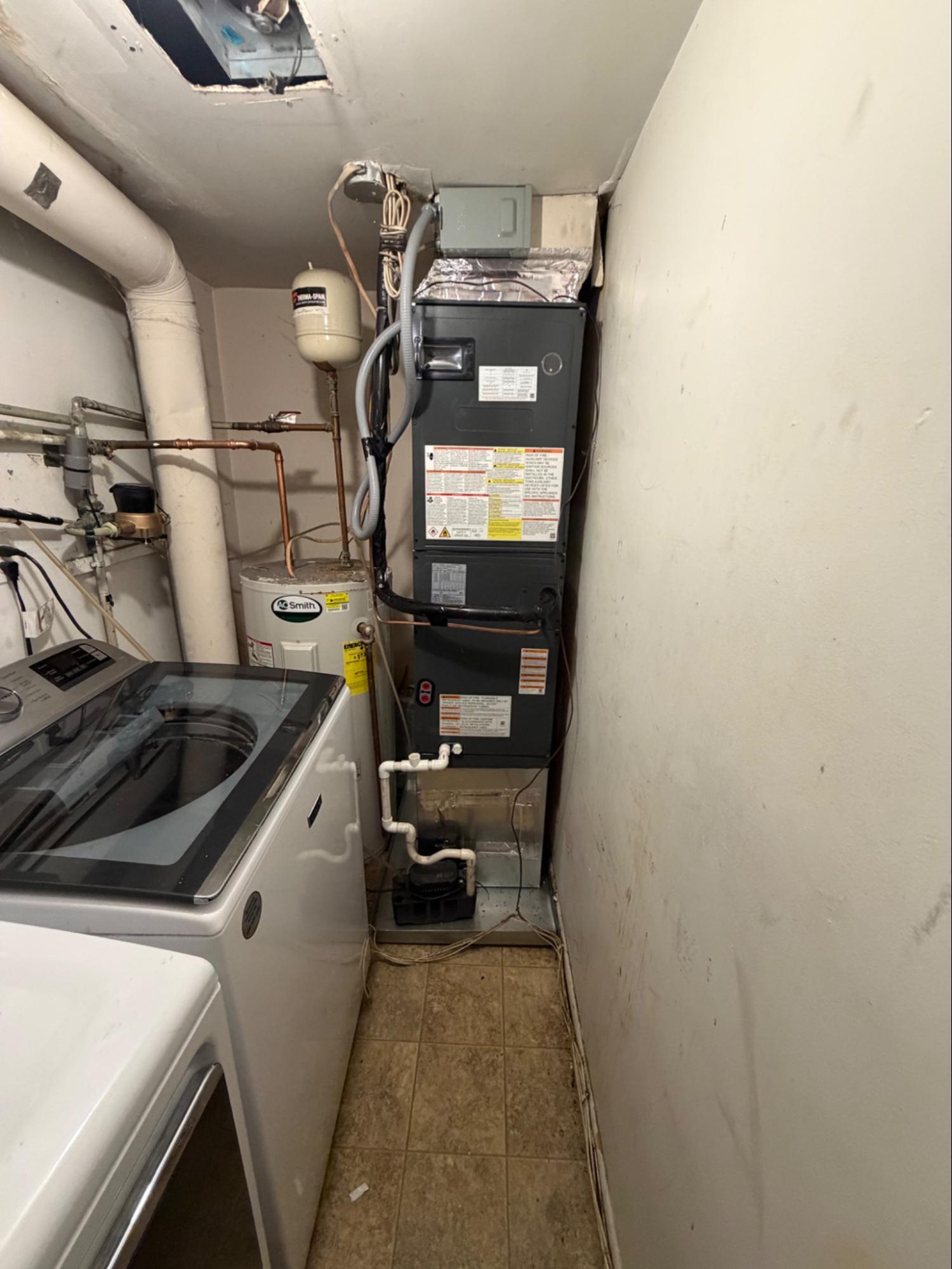
Helping an Upper Marlboro homeowner make an informed decision between refrigerant leak repair and complete heat pump replacement while adding…
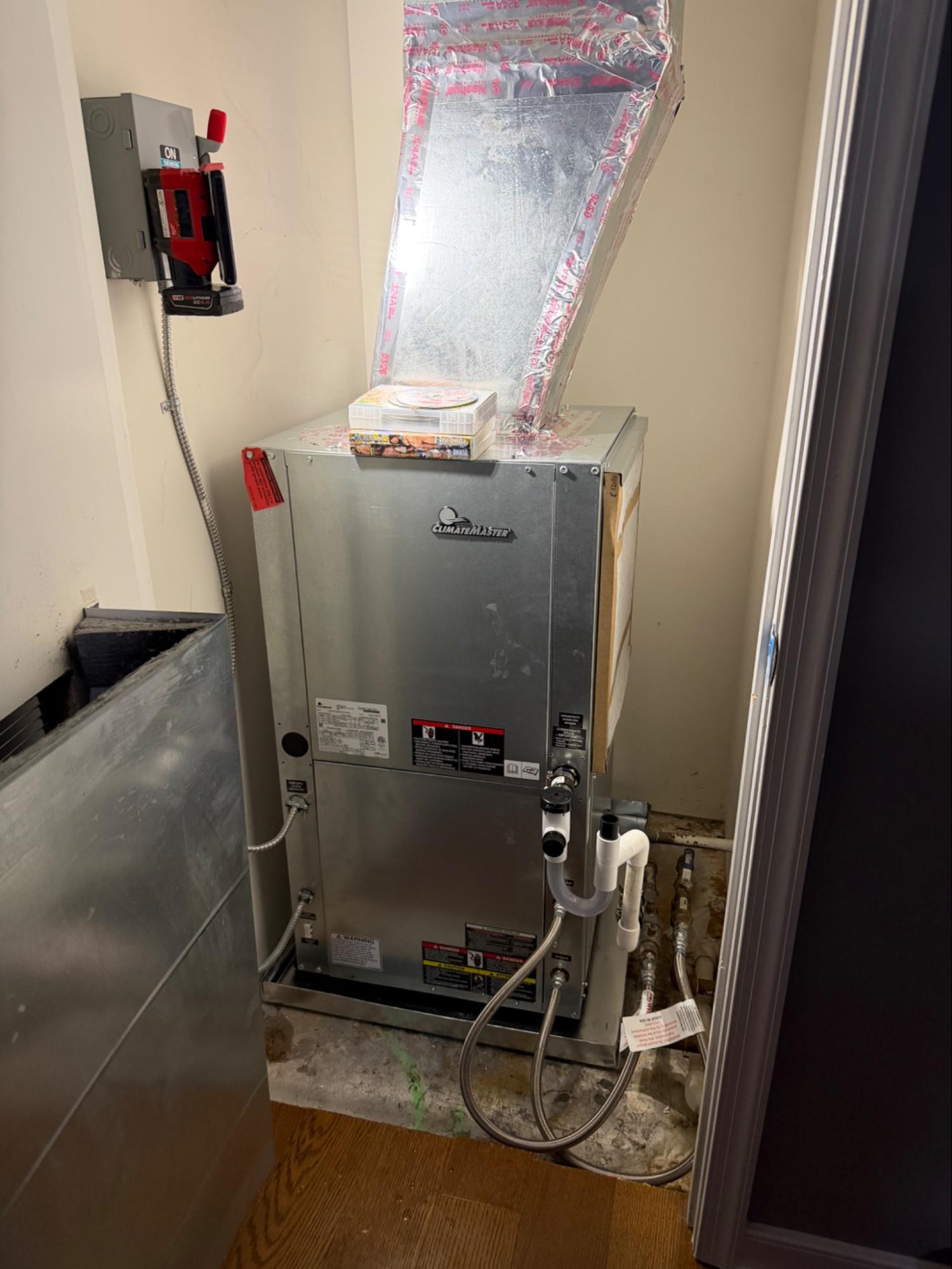
Replacing a 25-year-old water-source heat pump with a modern system, new water connection hoses, and modified ductwork in a high-rise condominium…
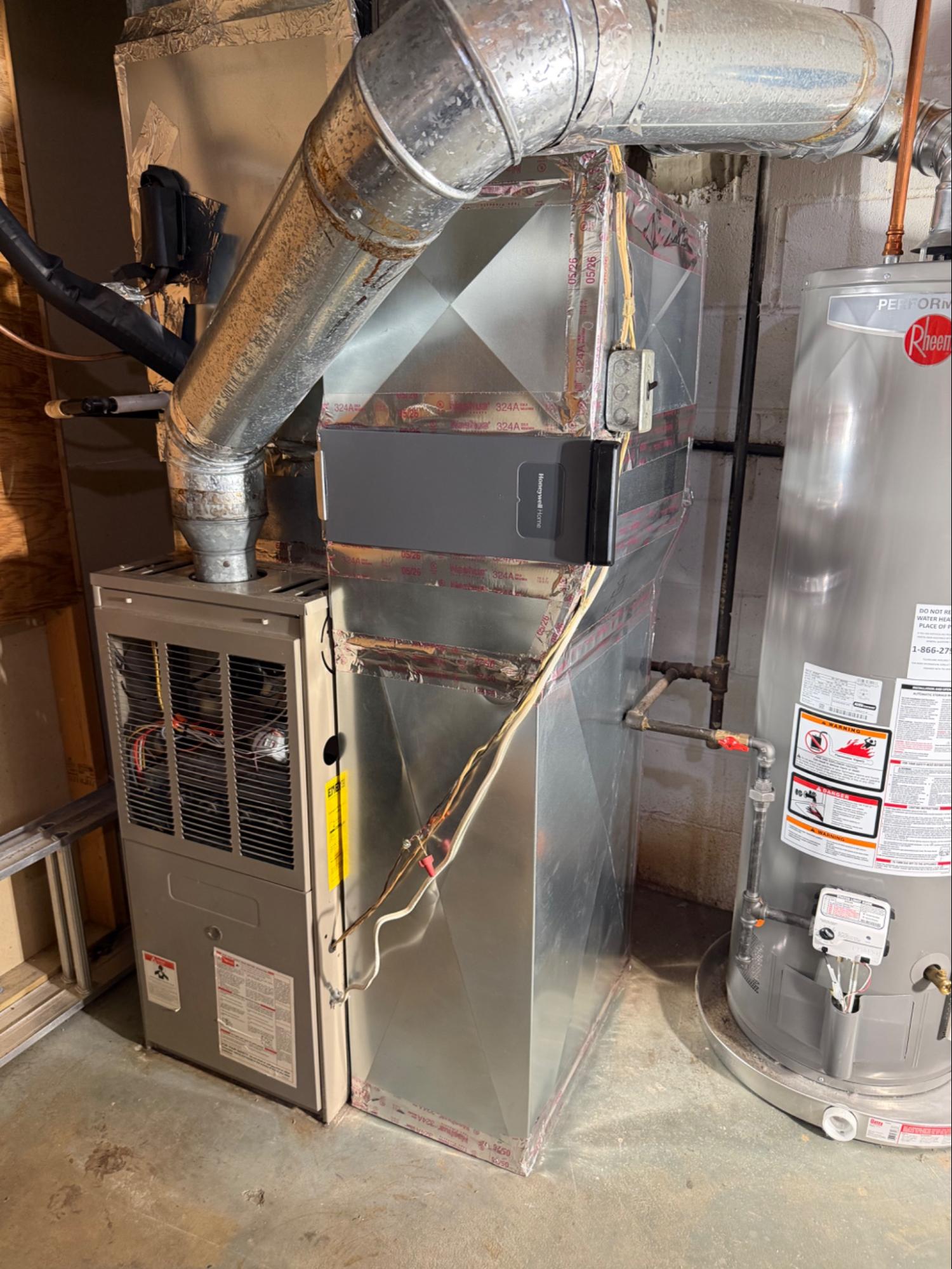
Improving indoor air quality, simplifying filter replacement, and protecting HVAC equipment through a custom ductwork modification and upgraded…
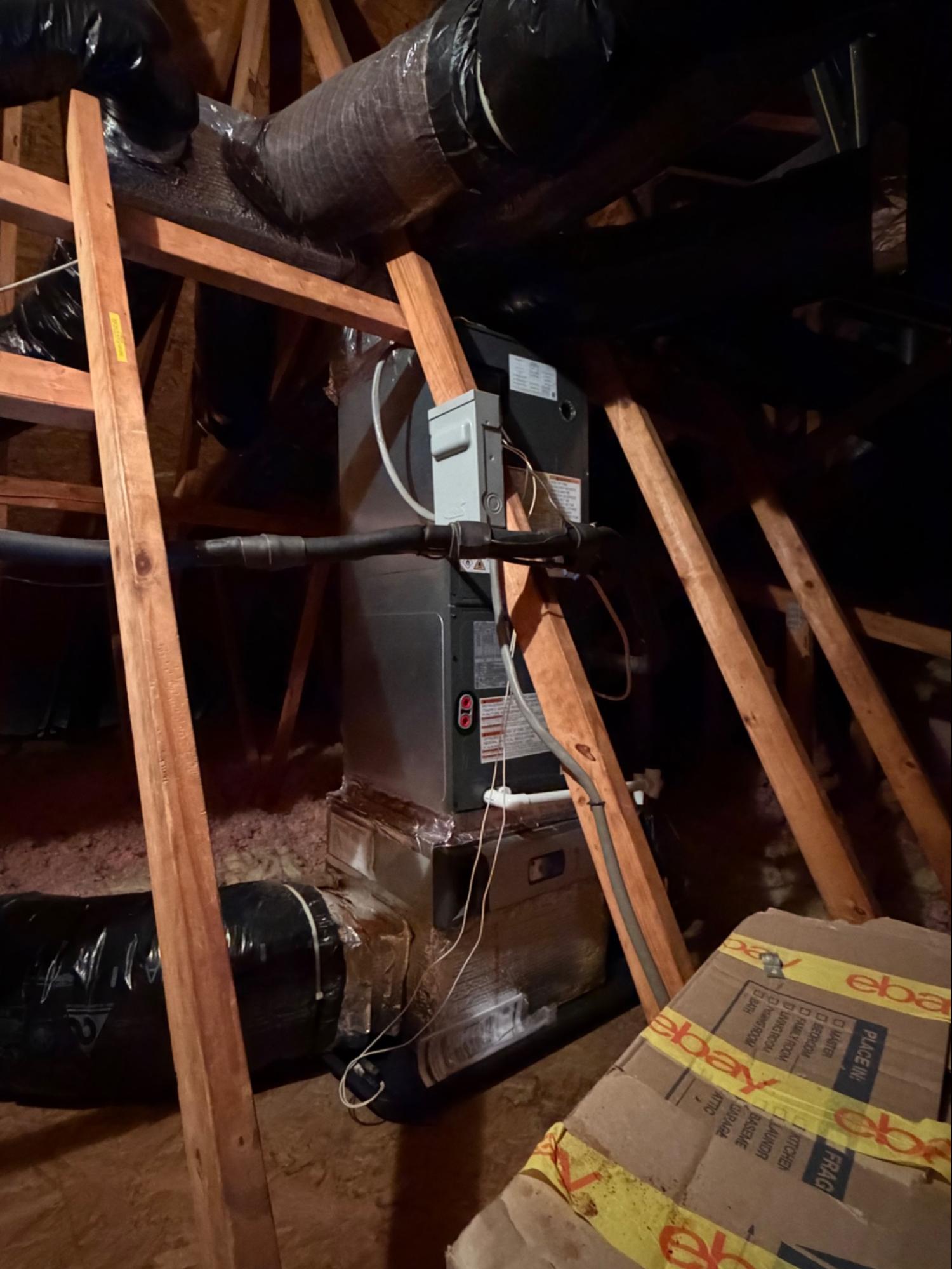
How Capital Heat Pumps diagnosed a failed compressor in a 16-year-old heat pump, identified potential airflow restrictions, and helped a Bowie…
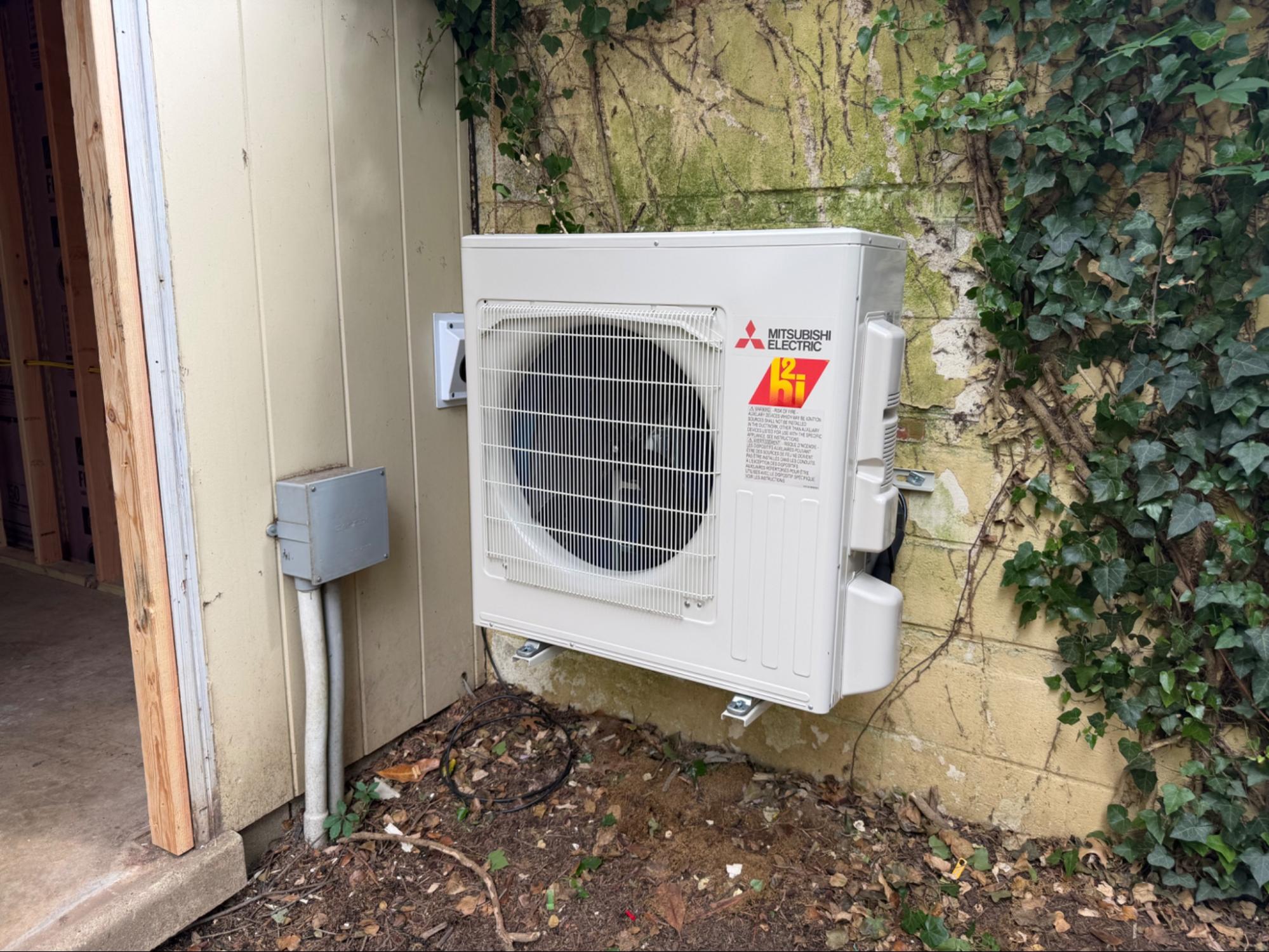
Transforming an existing storage room into a comfortable home gym with a sleek, ceiling-recessed Mitsubishi Electric ductless heat pump featuring…
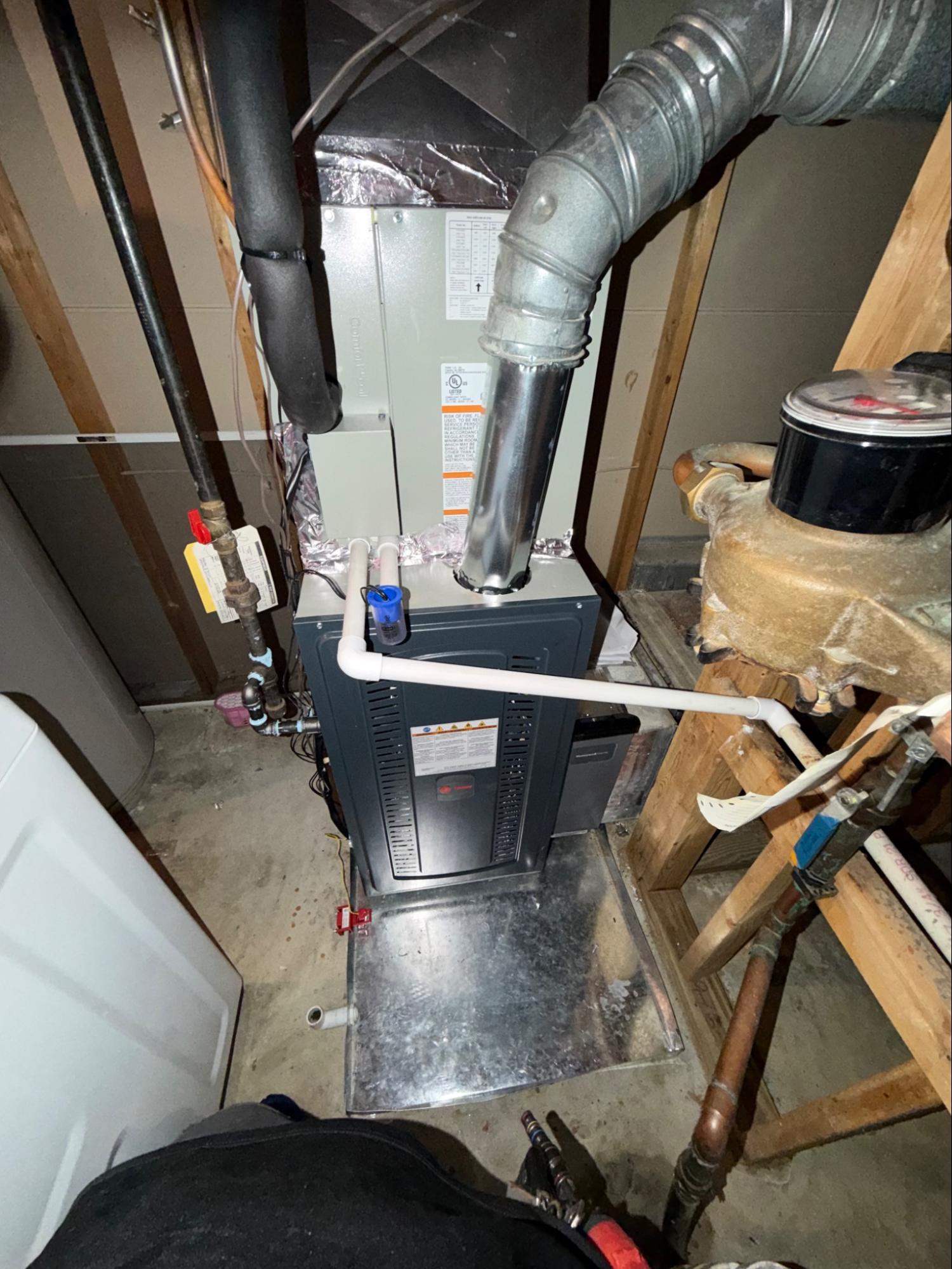
Helping a returning customer in Bowie, Maryland, move beyond costly repairs with a complete Trane heating and cooling system replacement, upgraded…
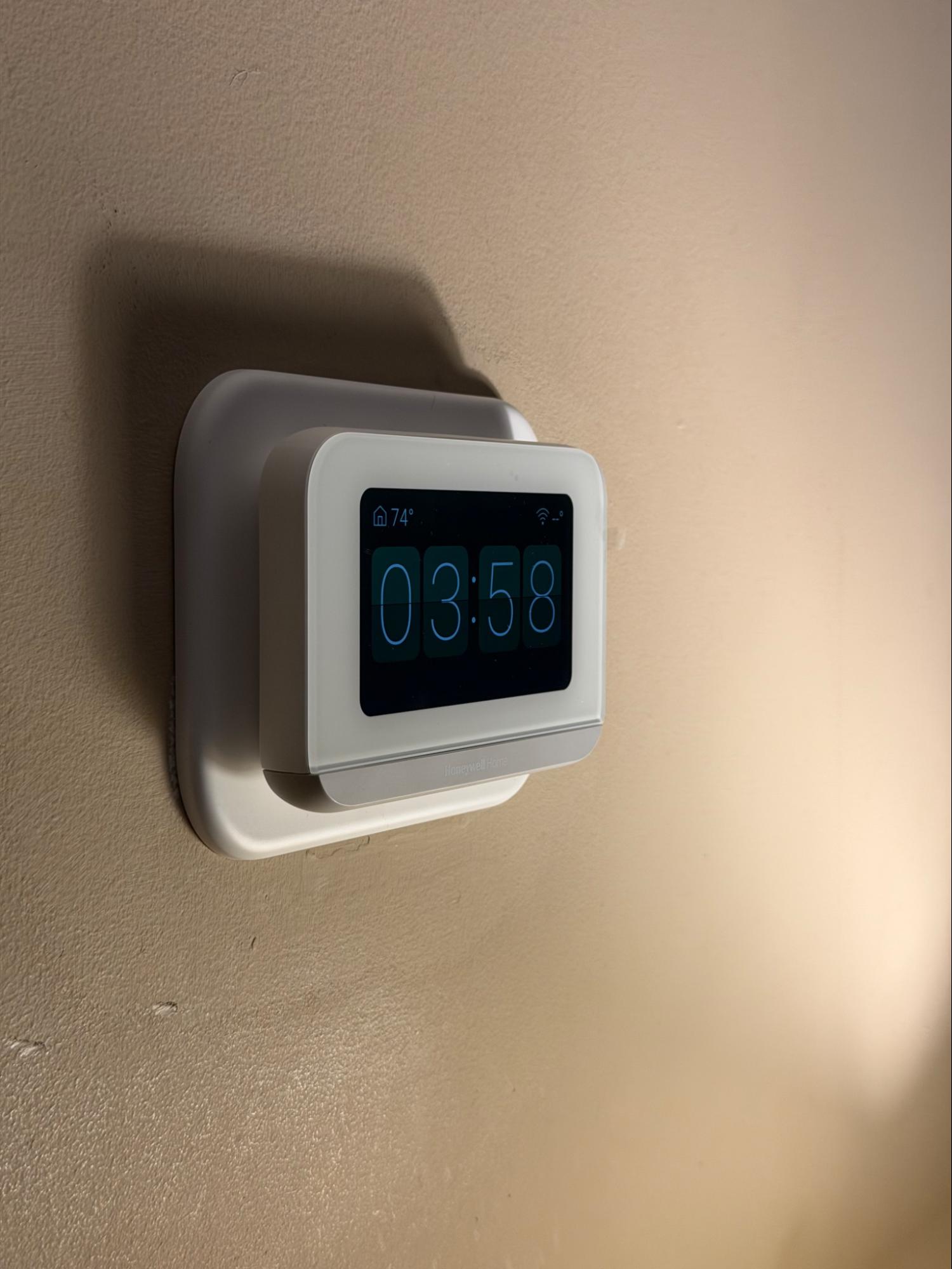
An Upper Marlboro homeowner chose to stop investing in repeated repairs to an aging HVAC system and upgrade to a complete Goodman heating and cooling…
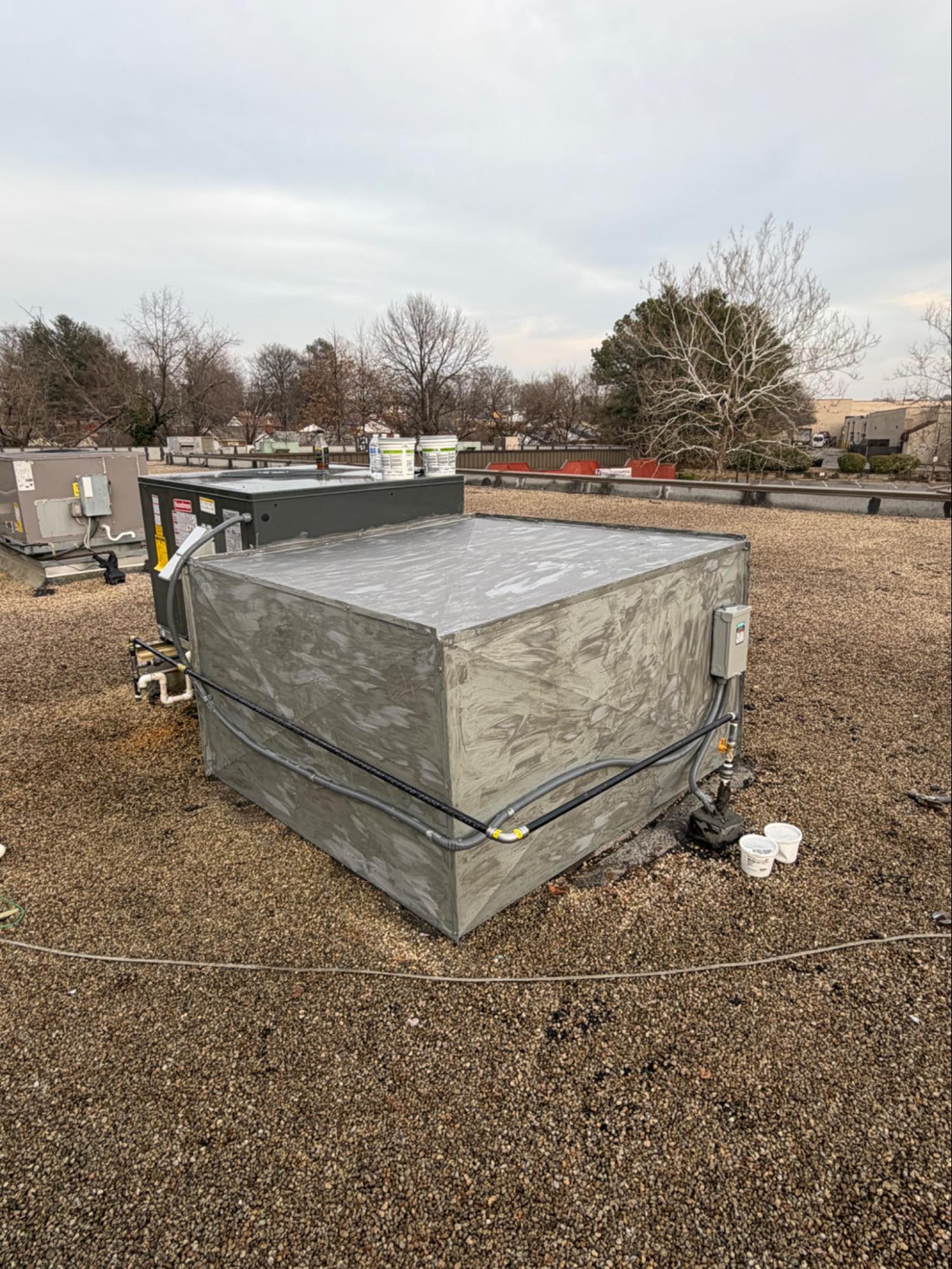
Capital Heat Pumps replaced an aging rooftop HVAC system at a church in Capitol Heights, Maryland, after diagnosing a defective heat exchanger. The…
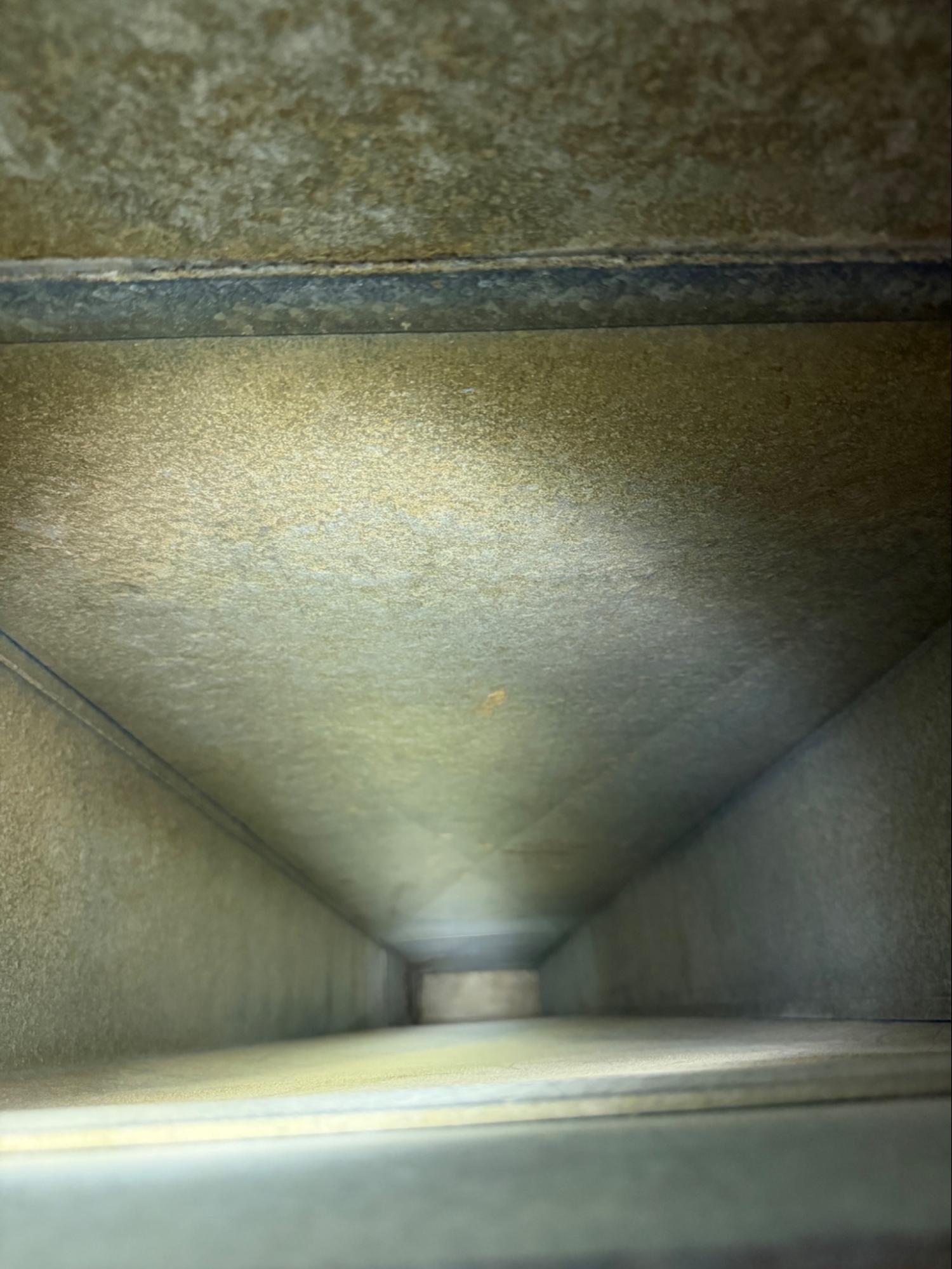
Capital Heat Pumps helped a Clinton, Maryland homeowner upgrade from an electric furnace and traditional air conditioner to a heat pump system…

Capital Heat Pumps completed a comprehensive heating and cooling system replacement in Bowie, Maryland, including HVAC load calculations, new…
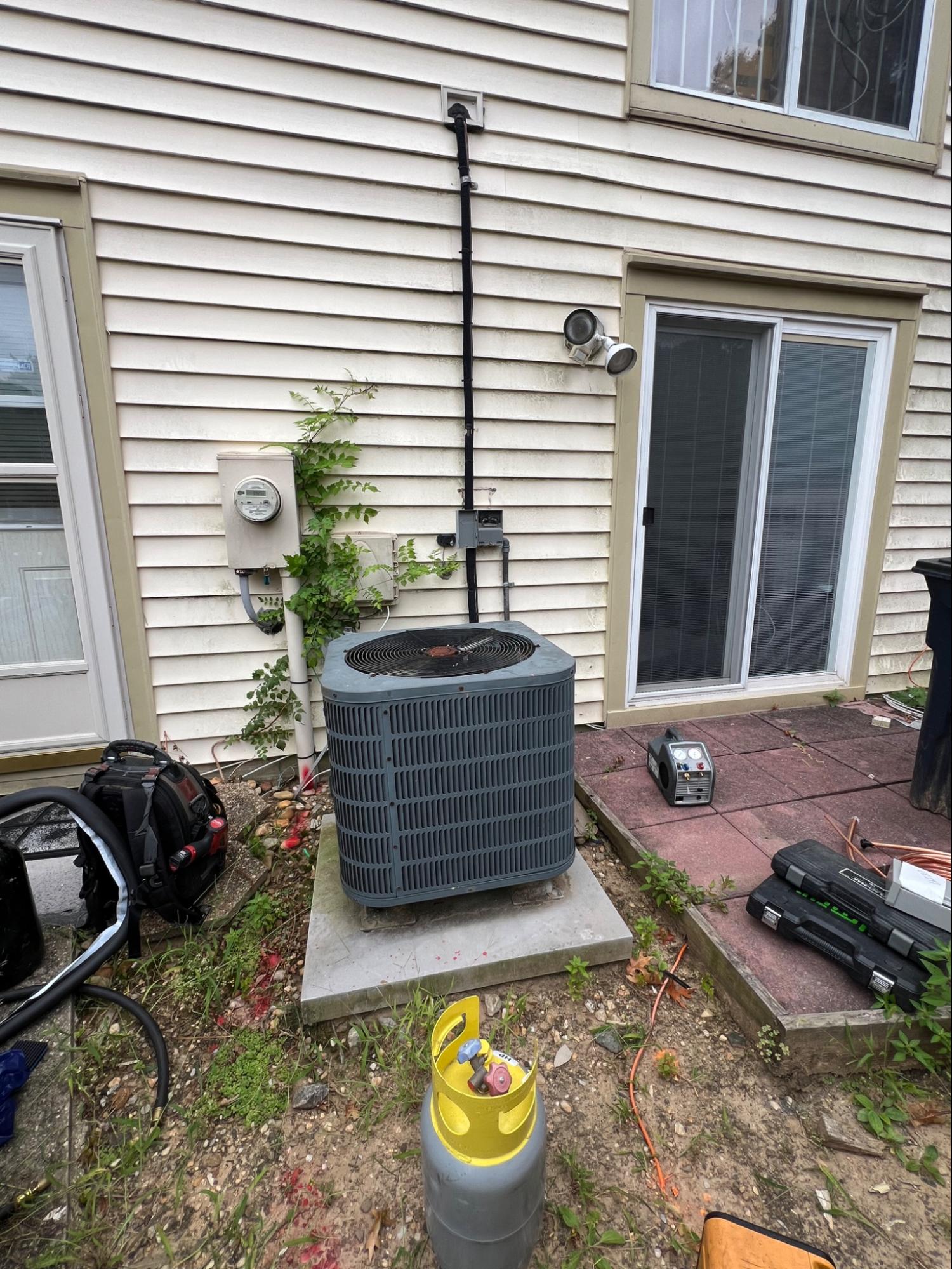
Capital Heat Pumps replaced an aging R-22 heat pump in Laurel, Maryland, after the system repeatedly tripped its circuit breaker shortly after…
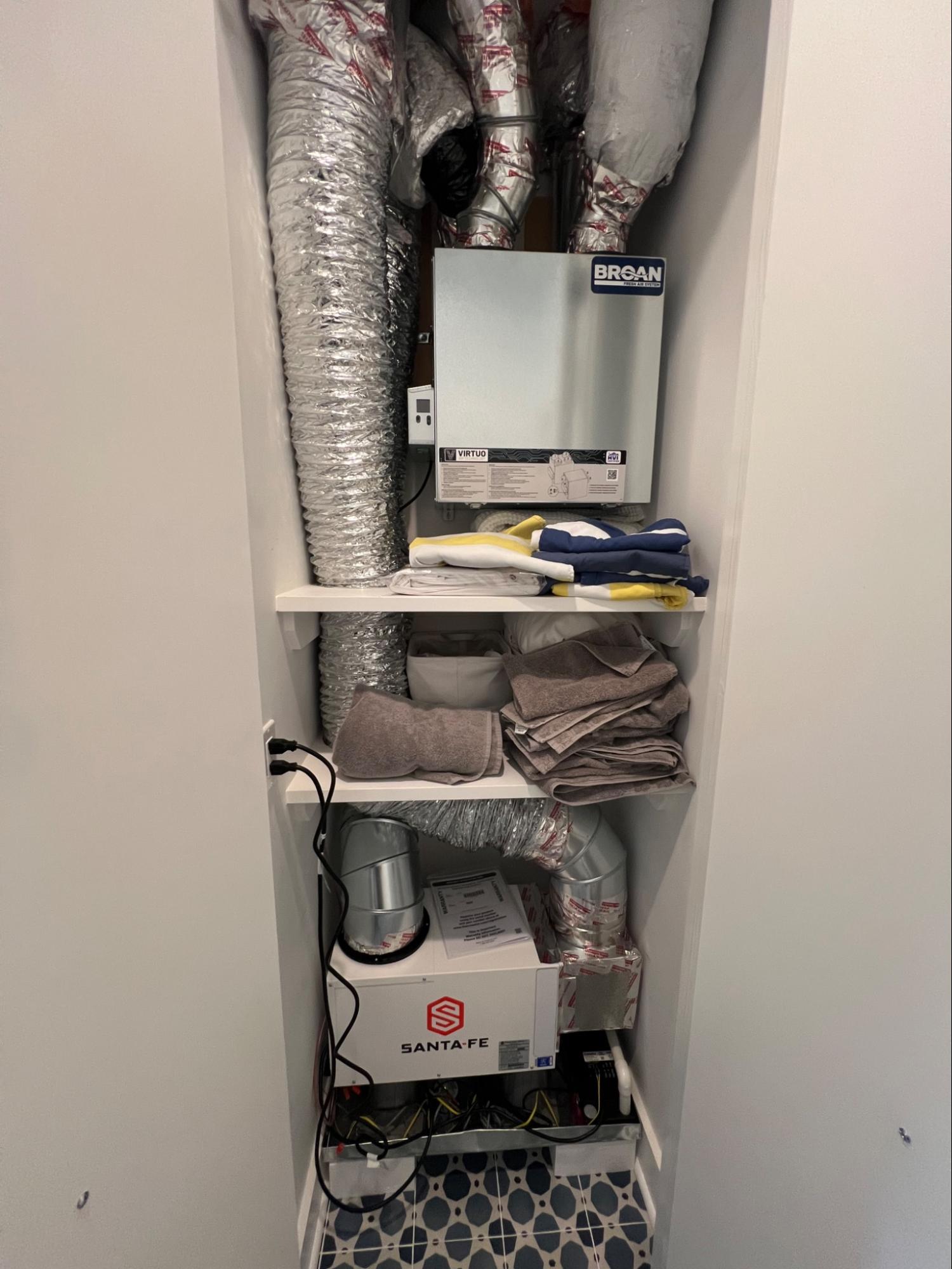
Capital Heat Pumps installed two whole-home dehumidifiers in a high-performance home in Bethesda, Maryland, to address excessive indoor humidity.…
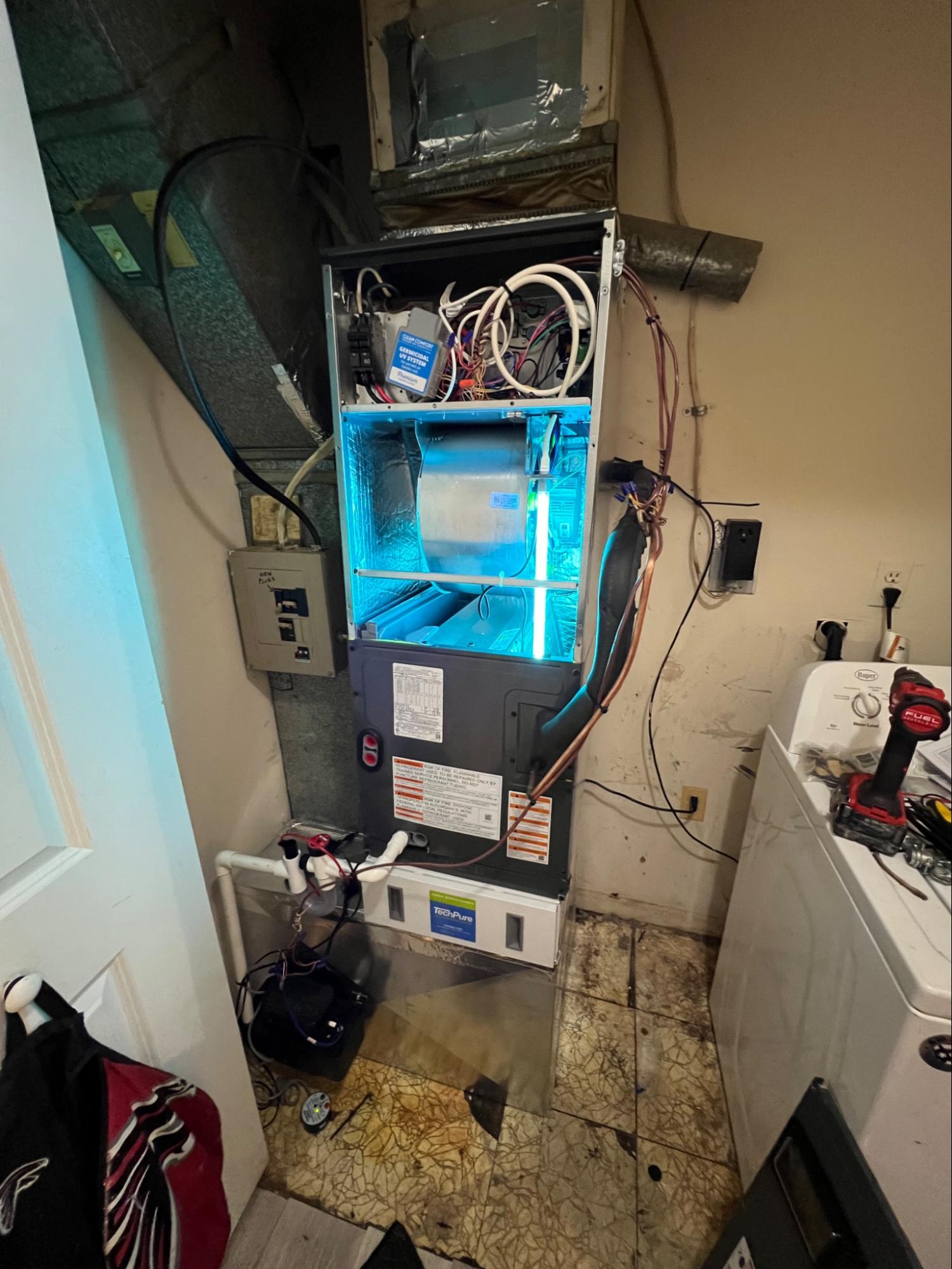
Capital Heat Pumps completed a residential heat pump replacement in Waldorf, Maryland, for a homeowner who wanted to replace an aging heating and…
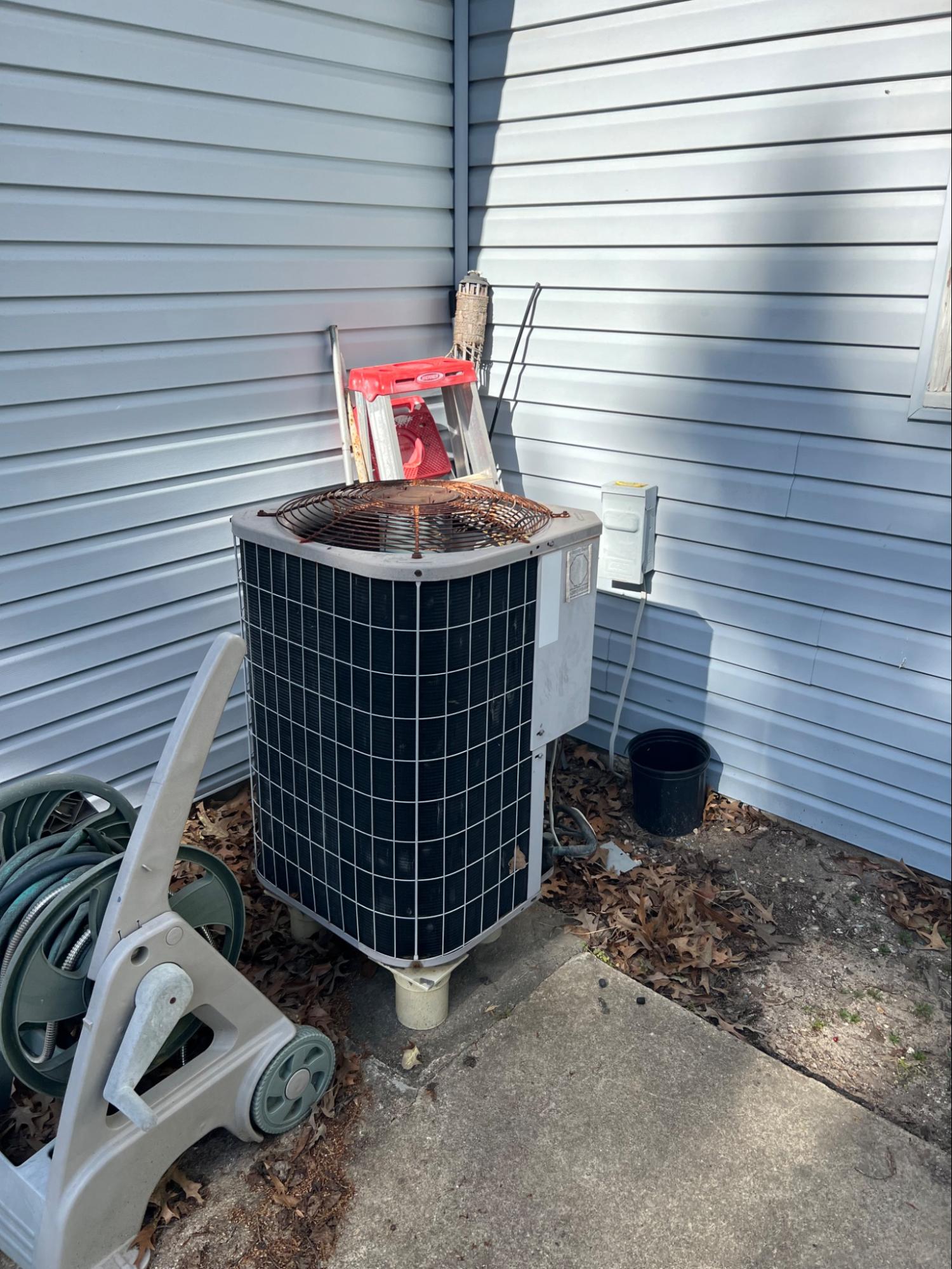
Capital Heat Pumps completed a residential heat pump replacement in Waldorf, Maryland, after a homeowner experienced high electric bills and problems…
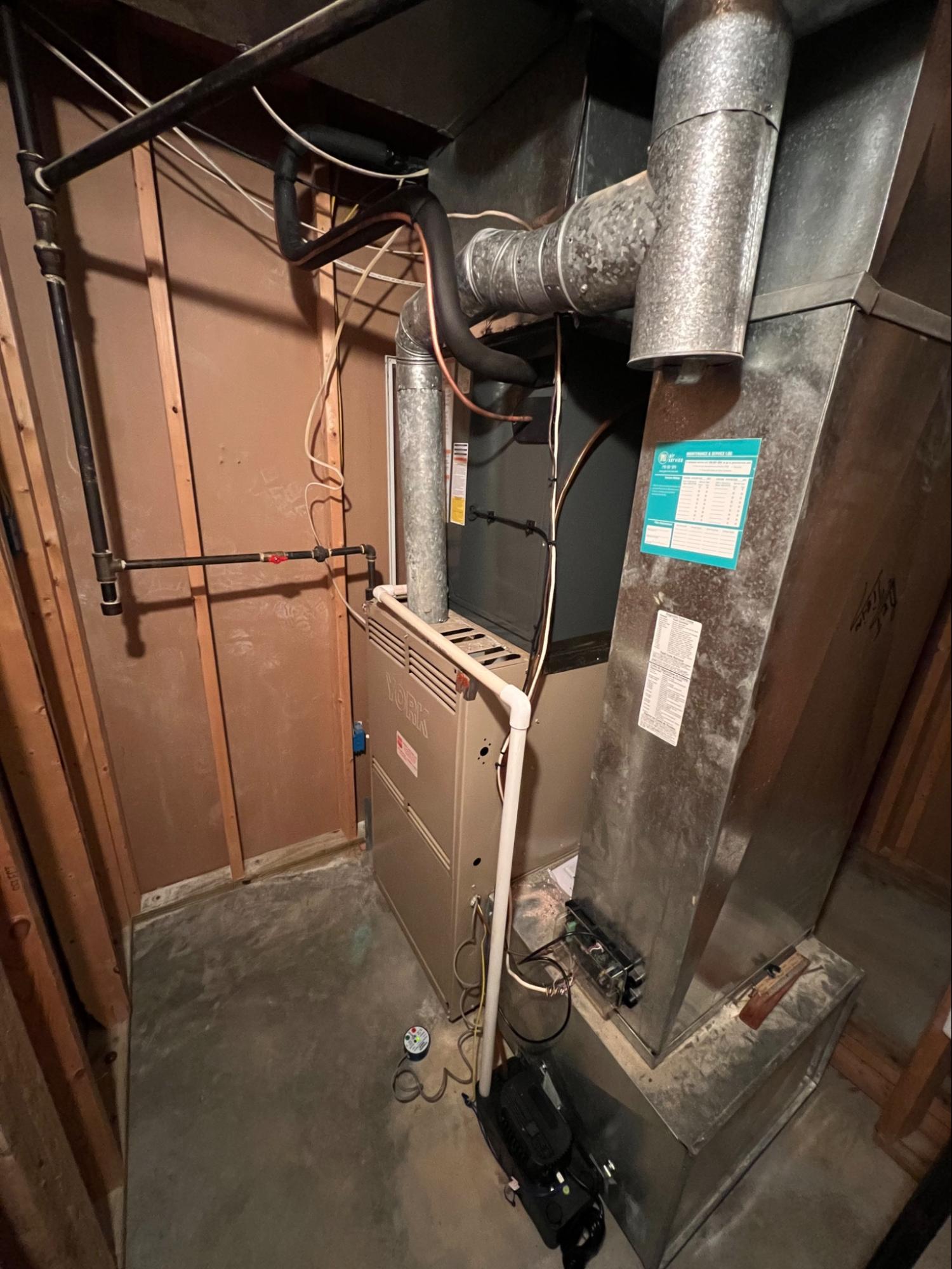
Capital Heat Pumps completed a residential air conditioning and evaporator coil replacement in Waldorf, Maryland. In addition to installing the new cooling equipment, we upgraded the outdoor installation with a new condenser pad and support legs to elevate the unit, improve ground clearance, and reduce exposure to moisture and debris around the base of the equipment.
The only reliable proof of a comfort claim is a physical measurement taken before the work starts, followed by that same test repeated after commissioning. Free estimates for Accokeek homeowners start with accurate airflow readings, not quick guesses. Visit our Whole Home Performance Testing page to see the diagnostic tools we use.
Residential heating and cooling issues tend to follow distinct patterns based on how a home was built. Reviewing a case study from a house that matches your floor plan tells you far more than a glossy manufacturer brochure. In our experience, homeowners reach out because of a specific daily frustration: backup heat turning on during mild weather, an upstairs living area that never stays cool, or a system that cools the air but leaves it feeling damp and sticky.
Our documented local projects generally fall into three main categories:
Because we focus exclusively on heat pump systems, we can compare your home’s layout with similar properties we have already tested. Reviewing verified project files helps you set realistic expectations for system performance, indoor humidity control, and sound levels before you decide.
A case study offers true value only when it records real diagnostic numbers rather than generic descriptions. Every project file we maintain follows a consistent, repeatable format so homeowners can compare real data:
The diagnostic stage provides the foundation for the entire project. True comfort improvements come from measuring external static pressure, temperature splits, and airflow in cubic feet per minute (CFM)—not from reading the nominal tonnage stamped on an equipment label.
Our technicians record these numbers before touching a single wire or duct fitting. When the job is done, we run the same tests to confirm the new system operates within manufacturer specifications. Having this data on file protects your investment and ensures your system delivers its rated efficiency.
Comprehensive whole-home retrofits require meticulous planning because you adjust heating equipment, ductwork, and controls at the same time. These projects typically involve older homes where changing the heat pump alone wouldn’t solve the underlying comfort issue. Common examples include an undersized return duct choking a new variable-speed air handler, or an upstairs thermostat fighting a downstairs zone.
Our installation process follows a deliberate sequence:
1. Duct sealing and modifications: We correct duct restrictions and seal air leaks first, because losing conditioned air into an attic or crawlspace distorts the heat-load calculation. 2. Proper equipment sizing: We select heating and cooling equipment matched to the home’s real heating load rather than its gross square footage. 3. Control wiring and commissioning: We configure multi-stage thermostats and outdoor temperature sensors so backup heat strips only engage when truly necessary. 4. Airflow verification: We measure air delivery at each supply register to confirm balanced temperatures between living areas and distant bedrooms.
Our project records also show when existing equipment is worth keeping. Retaining a functioning gas furnace as an emergency dual-fuel backup or maintaining an existing secondary zone are common, practical choices. An honest project report documents those decisions openly.
Isolated rooms with chronic comfort issues make for straightforward case studies because the complaint is specific and the outcome is easy to measure. A room above an uninsulated garage, an enclosed porch, or a distant bedroom at the end of a long duct run rarely requires an entirely new central HVAC system. In most cases, the room simply lacks adequate air delivery from the main trunk line.
Our project files document how we resolve these isolated comfort challenges:
For families who had abandoned an uncomfortably hot second floor in July or avoided a chilly ground-floor family room in January, targeted solutions restore full use of their home. Project photos show how linesets are encased in protective, exterior-matched covers to keep the outside of the house clean.
An energy savings report is meaningful only when it compares identical operating conditions over a sustained period. Weather fluctuations, household occupancy, and utility rates shift from year to year, so reliable comparisons require matching seasonal baselines.
When evaluating utility bills, we compare electric consumption across matching seasons—such as comparing kilowatt-hour usage from one December-through-February heating period to the previous year. We also account for weather variables, noting whether a winter was unusually cold or mild. Comparing energy usage across an entire heating or cooling season provides a reliable view of how variable-speed equipment lowers overall power demand.
Indoor comfort involves more than just thermostat temperatures. Our case studies track three key environmental factors:
Independent verification is central to our work. Our technicians provide 24-hour emergency heat pump repairs across Accokeek, Fort Washington, and Clinton. If an isolated room is your primary comfort challenge, visit our Ductless Mini-Split page to explore room-by-room heating and cooling options.
Improving home performance begins with a methodical assessment of your home’s thermal boundary and mechanical systems. The local customer stories we share began as everyday service calls where homeowners asked us to test their airflow and diagnose persistent comfort issues.
Every project we document follows strict quality guidelines:
Even if we don’t publish a project as an online case study, we keep the same detailed testing data in your permanent service file. Having these baseline readings available helps our technicians service your equipment accurately for years to come.
Want to find out what diagnostic testing reveals about your heating and cooling system? Call Capital Heat Pumps at (301) 795-8896 to schedule an evaluation. We will measure your home's airflow, review our findings with you in plain words, and provide an upfront written estimate in Accokeek, MD, or nearby Southern Maryland communities.
