
Heat Pump Replacement in Camp Springs, MD: Correcting a Problematic HVAC Installation
How Capital Heat Pumps helped a townhome owner resolve installation issues, improve airflow, and regain confidence in her heating and cooling system.
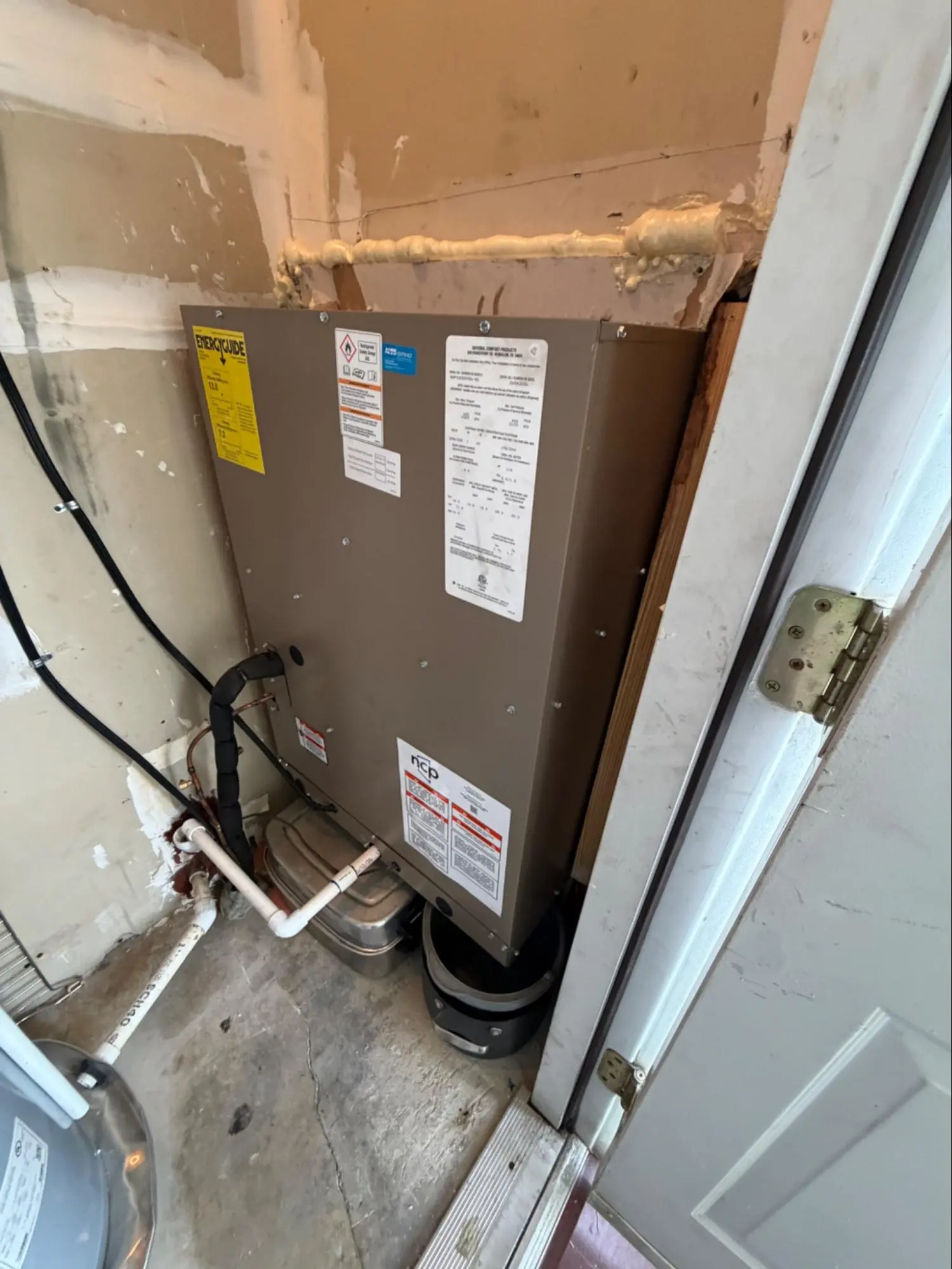
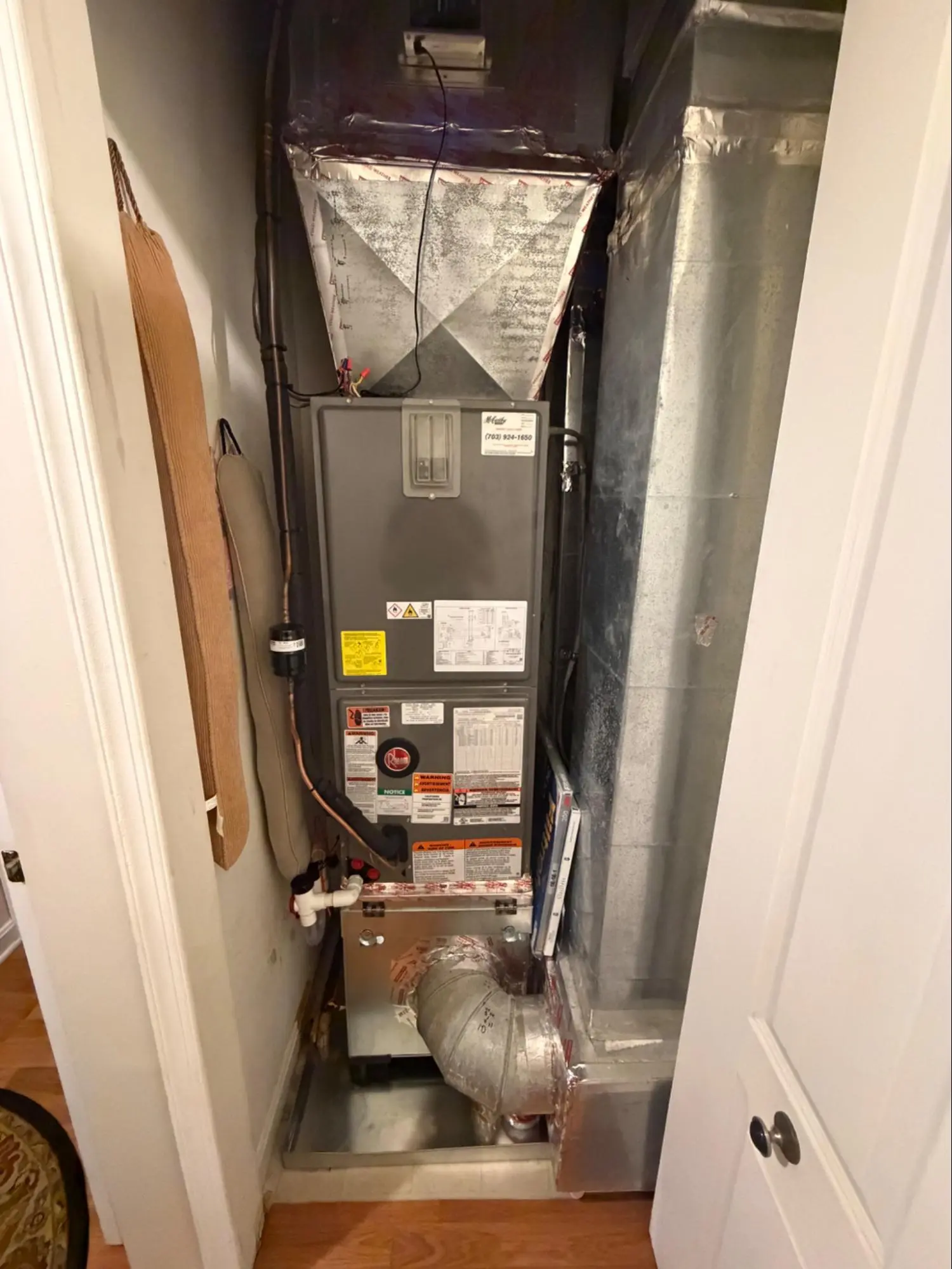
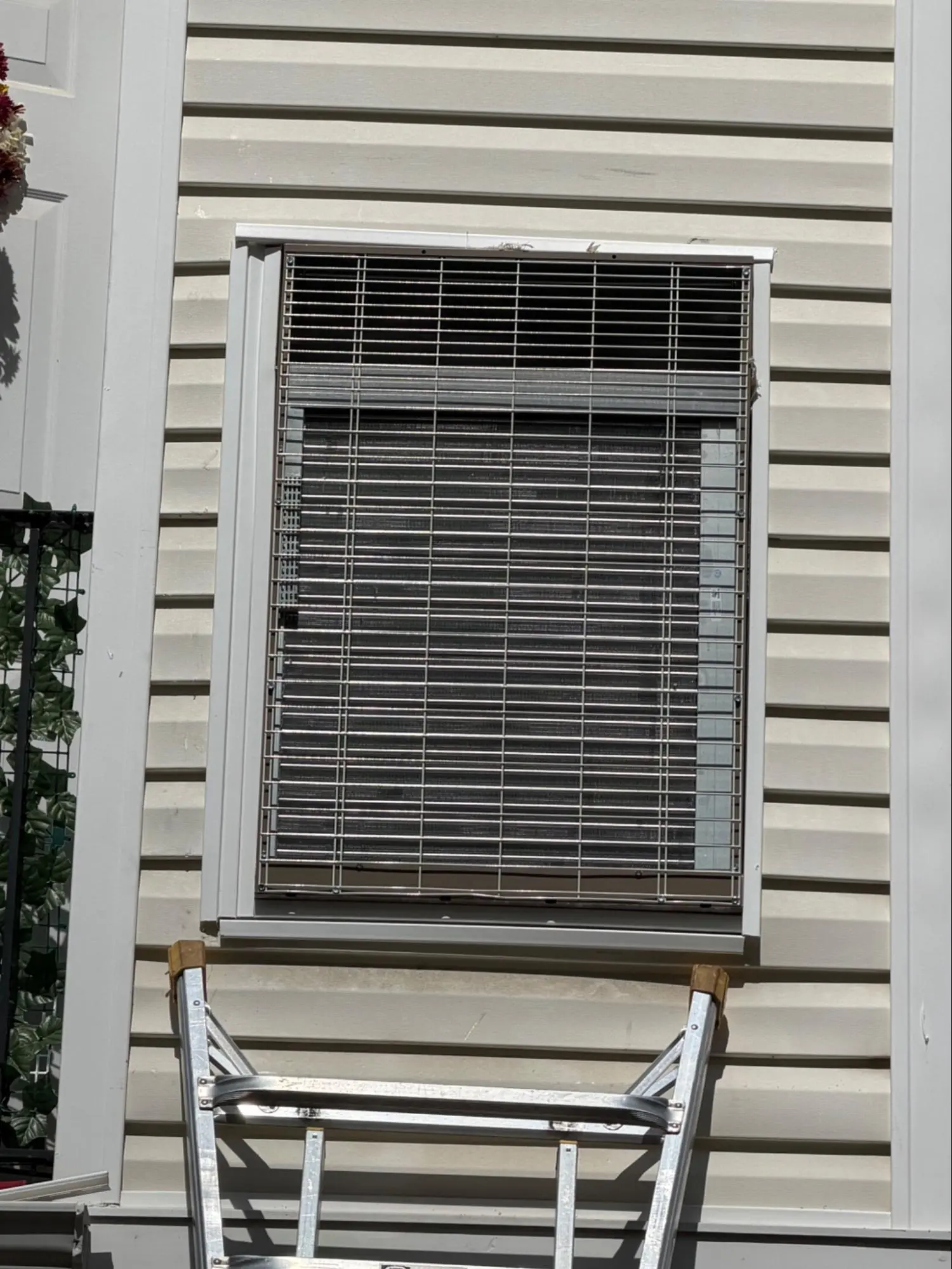
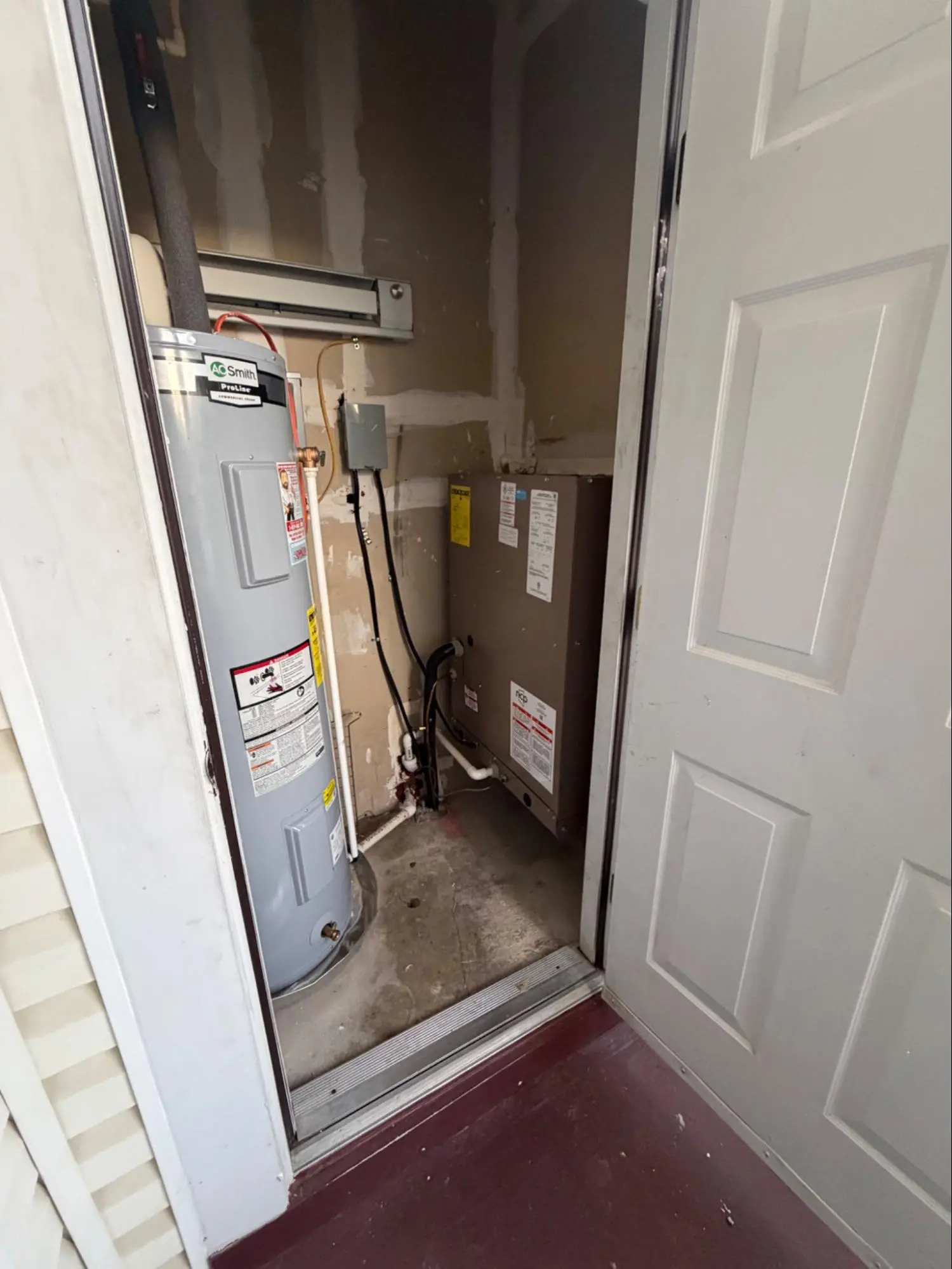
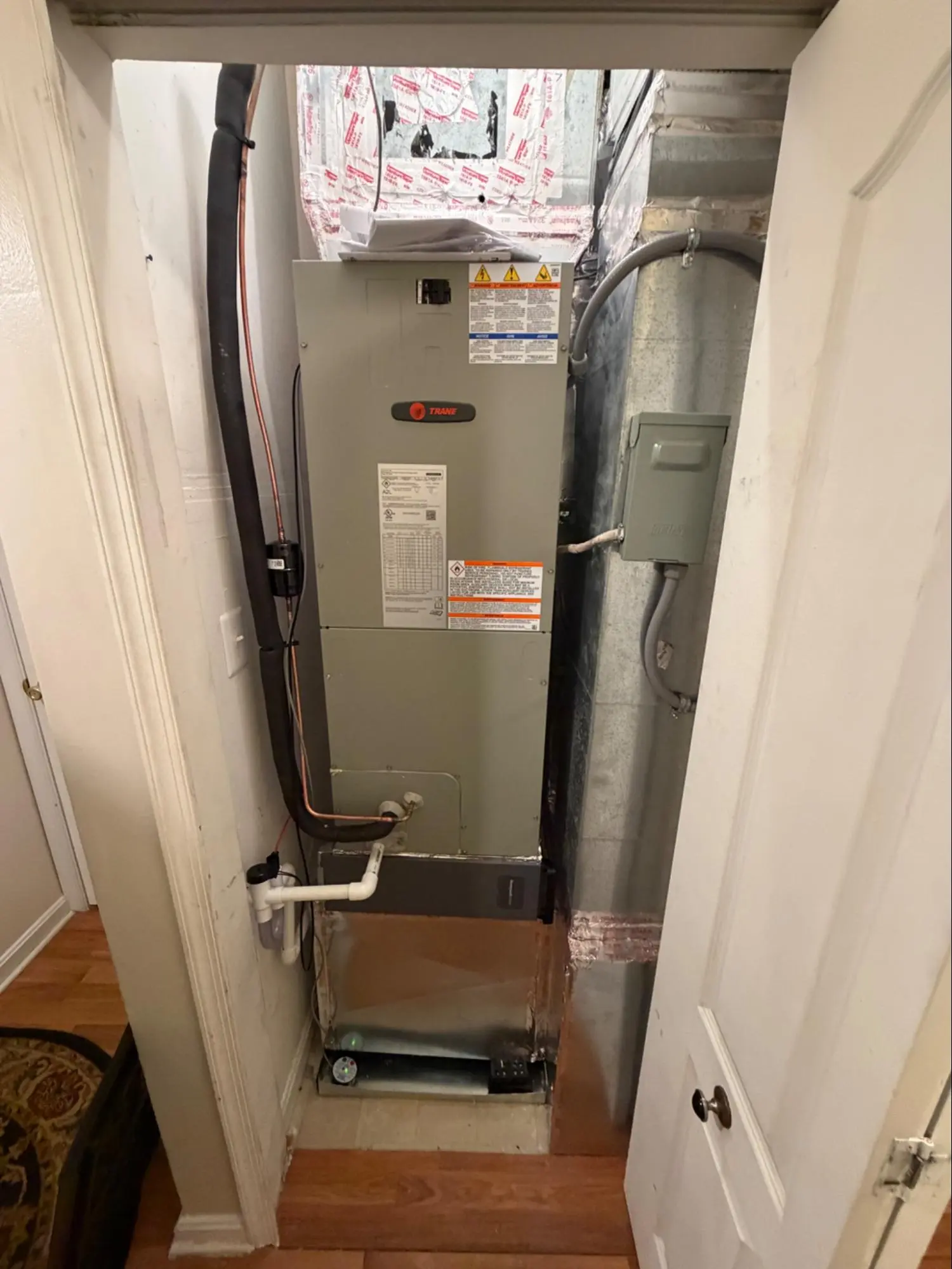
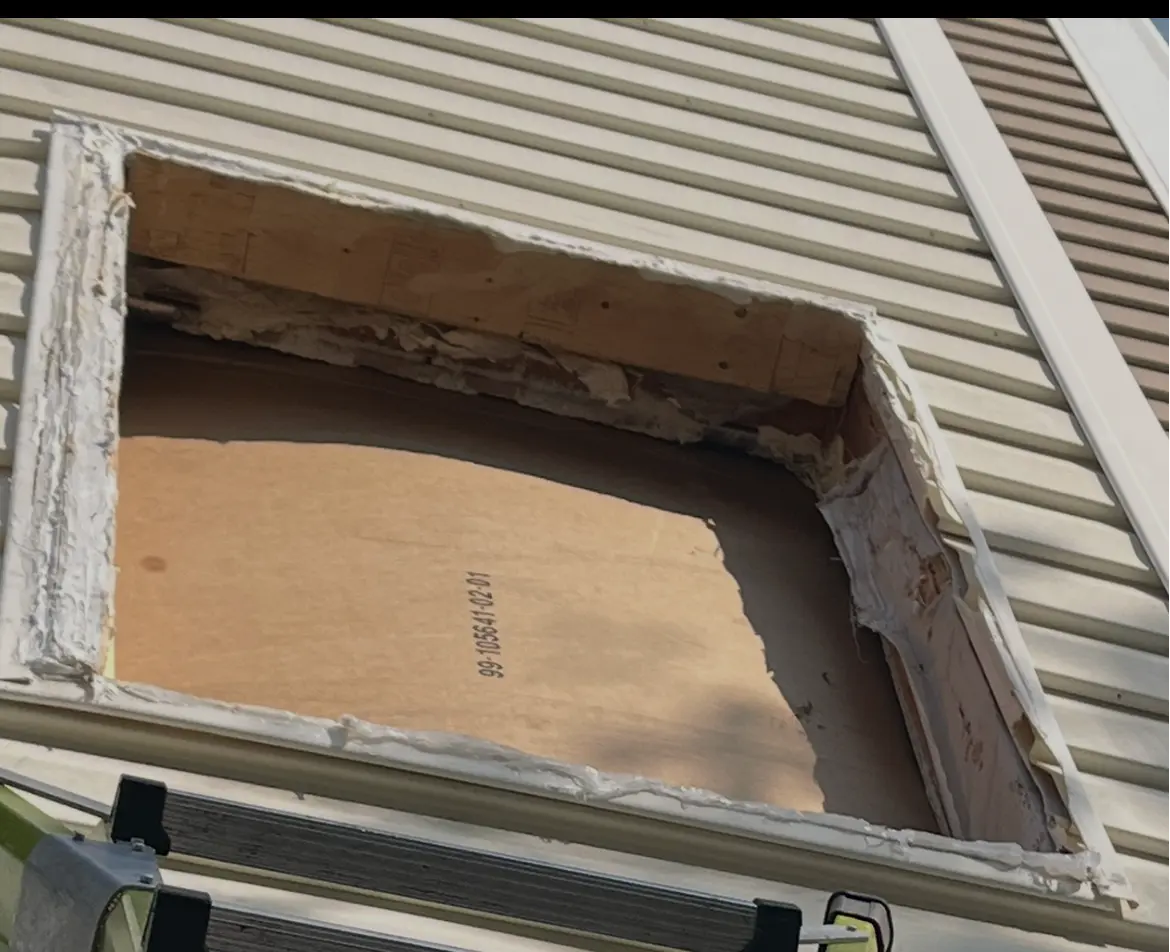
Project Location: Camp Springs, Maryland
Property Type: Residential Townhome
Service: Heat Pump Replacement, Refrigerant Line Diagnosis, Return Air Duct Modification & Indoor Air Quality Upgrade
Equipment: National Comfort Products / First Co. Split-System Heat Pump with Honeywell Media Air Cleaner
The Challenge: A Brand-New HVAC System That Wasn’t Performing Properly
Purchasing a new HVAC system should provide homeowners with peace of mind, improved comfort, and reliable performance. Unfortunately, that wasn’t the experience for one homeowner in Camp Springs, Maryland.
The homeowner had recently hired another HVAC contractor to install a new heat pump system in her townhome. However, shortly after the installation, she continued experiencing problems with the equipment.
Despite multiple recommendations from the original contractor, the homeowner remained dissatisfied with the system’s performance and the proposed solutions.
One recommendation involved installing ductwork connecting the supply air side to the return air side. However, the underlying cause of the system’s problems had not been properly identified.
The homeowner was also unhappy with the appearance and finish of the outdoor heat pump installation.
After dealing with continued frustration, she contacted Capital Heat Pumps for a more thorough evaluation.
Our Diagnosis: Two Kinks in the Refrigerant Suction Line
During our evaluation, we discovered a significant installation issue that had previously gone unaddressed.
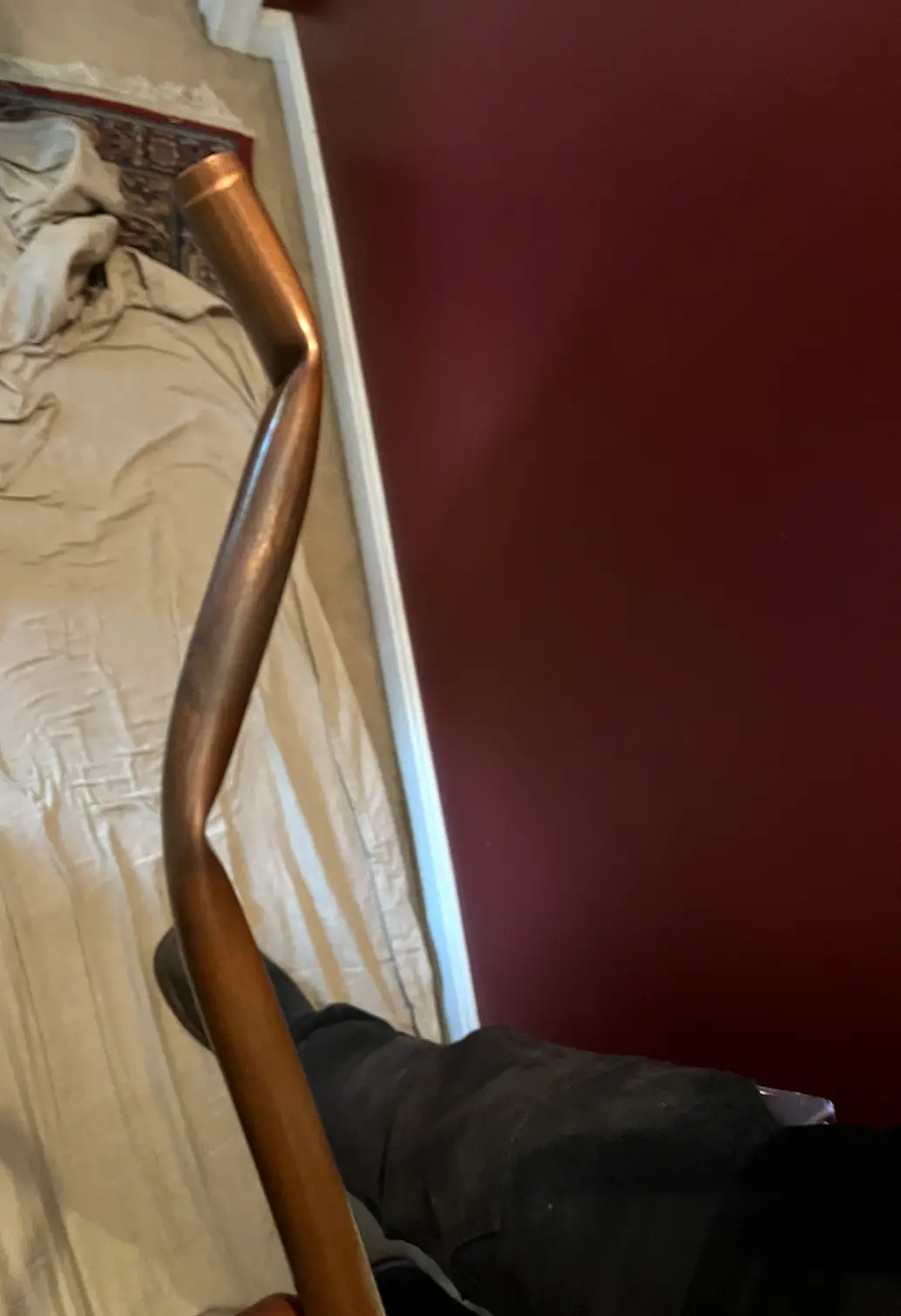
The refrigerant suction line contained two separate kinks.
The suction line is an essential component of a heat pump system, carrying refrigerant vapor back toward the compressor during cooling operation.
Kinks in this line can restrict refrigerant flow and negatively affect system performance.
Depending on their severity, these restrictions can contribute to:
- Reduced heating or cooling capacity.
- Abnormal refrigerant pressures and temperatures.
- Increased compressor operating stress.
- Reduced system efficiency.
- Potential long-term equipment reliability issues.
Rather than continuing to recommend additional modifications without addressing the refrigerant line restrictions, our team identified the physical installation defects that needed attention.
This discovery helped explain why the homeowner had continued experiencing problems despite having recently purchased new equipment.
The Homeowner’s Decision: Starting Fresh with Capital Heat Pumps
By the time we completed our evaluation, the homeowner had lost confidence in the original installation.
Between the ongoing performance concerns, the refrigerant line defects, and the unsatisfactory appearance of the outdoor equipment, she decided that she wanted a fresh start.
The homeowner arranged for the previous contractor’s equipment to be removed and selected Capital Heat Pumps to install a replacement system.
Because the townhome community had specific HOA restrictions on HVAC equipment configurations, our replacement needed to maintain a similar system design.
We selected a National Comfort Products / First Co. split-system heat pump, allowing us to meet the property’s installation requirements while focusing on proper system design, airflow, filtration, and overall installation quality.
Our Solution: Improving the Entire HVAC Installation
1. Installing the Correct Heat Pump Configuration
Our team installed a new split-system heat pump compatible with the townhome’s space limitations and neighborhood equipment requirements.
Beyond selecting appropriate equipment, we focused on the details that directly influence system reliability, serviceability, and performance.
The goal wasn’t simply to install another heat pump. It was to give the homeowner a properly designed installation she could feel confident in.
2. Redesigning the Return Air Box to Reduce Airflow Restrictions
Another important improvement involved the system’s return air ductwork.
The original return air configuration was restrictive, limiting the path available for air to return to the HVAC equipment.
We installed a larger, less restrictive return air box to improve airflow into the indoor unit.
This modification was designed to:
- Reduce return-side airflow resistance.
- Help lower excessive return-side static pressure.
- Support proper airflow through the indoor equipment.
- Improve overall system operating conditions.
- Reduce unnecessary stress associated with restricted airflow.
Even the best heat pump equipment can struggle when connected to poorly designed ductwork.
By addressing the return air configuration during installation, we helped establish better conditions for the replacement equipment to operate efficiently and reliably.
3. Upgrading to a Large Honeywell Media Air Cleaner
To further improve the system, we installed a larger Honeywell media air cleaner cabinet.
Unlike smaller conventional filters that may require frequent replacement, a properly sized media air cleaner provides a larger filtration surface area and can offer longer service intervals, depending on the filter model and household conditions.
The upgrade provides several important benefits:
Improved Indoor Air Quality
The media filter helps capture household dust and airborne particulates as air circulates through the HVAC system.
Better Equipment Protection
Effective filtration helps reduce dust accumulation on the indoor coil, blower, and other internal components, supporting long-term equipment performance.
Longer Filter Service Life
The larger media filter offers greater dust-holding capacity than many standard one-inch filters, potentially allowing longer intervals between replacements.
Convenient Maintenance
The Honeywell cabinet provides a dedicated access door, making filter replacement easier without requiring the homeowner to remove the HVAC equipment’s access panels.
Improved Long-Term Reliability
By combining proper return air sizing with effective filtration, we designed the system to support cleaner operation, appropriate airflow, and equipment longevity.
The Results: A Fresh Start for the Homeowner
This project was about more than replacing HVAC equipment. It was about addressing the homeowner’s concerns and correcting shortcomings associated with the previous installation.
Our completed work included:
- Identifying two kinks in the existing refrigerant suction line.
- Installing a replacement National Comfort Products / First Co. split-system heat pump.
- Maintaining a system configuration compatible with the townhome community’s HOA requirements.
- Improving the return air box design to reduce airflow restrictions.
- Installing a larger Honeywell media air cleaner for improved filtration and easier maintenance.
- Providing a new installation with attention to equipment appearance, accessibility, and workmanship.
The homeowner received a replacement installation designed around proper HVAC practices rather than temporary workarounds.
Why Installation Quality Matters More Than Equipment Brand Alone
One of the biggest lessons from this project is that a new HVAC system does not automatically mean a properly installed HVAC system.
Even high-quality equipment can experience performance issues when critical installation details are overlooked.
Refrigerant line restrictions, undersized return air ductwork, and inadequate filtration can all affect how well a system operates.
At Capital Heat Pumps, we believe a successful HVAC installation requires more than replacing the equipment. It requires understanding how the entire system works together.
That’s why we focus on proper equipment selection, refrigerant piping, airflow design, filtration, and long-term serviceability.
Looking for a Reliable Heat Pump Contractor in Camp Springs, MD?
Whether you’re replacing an aging heat pump, experiencing problems with a recently installed HVAC system, or looking for a second opinion, Capital Heat Pumps can help.
We specialize in residential heat pump installations, HVAC troubleshooting, ductwork modifications, and indoor air quality solutions throughout Camp Springs, Prince George’s County, and the surrounding DC Metro area.
Contact Capital Heat Pumps today to schedule an HVAC evaluation or heat pump replacement consultation.
Capital Heat Pumps — Quality Installations. Better Airflow. Long-Term Comfort.
