
Heat Pump Replacement in Bowie, MD – Failed Compressor & Airflow Concerns
How Capital Heat Pumps diagnosed a failed compressor in a 16-year-old heat pump, identified potential airflow restrictions, and helped a Bowie homeowner choose a long-term heating and cooling solution.
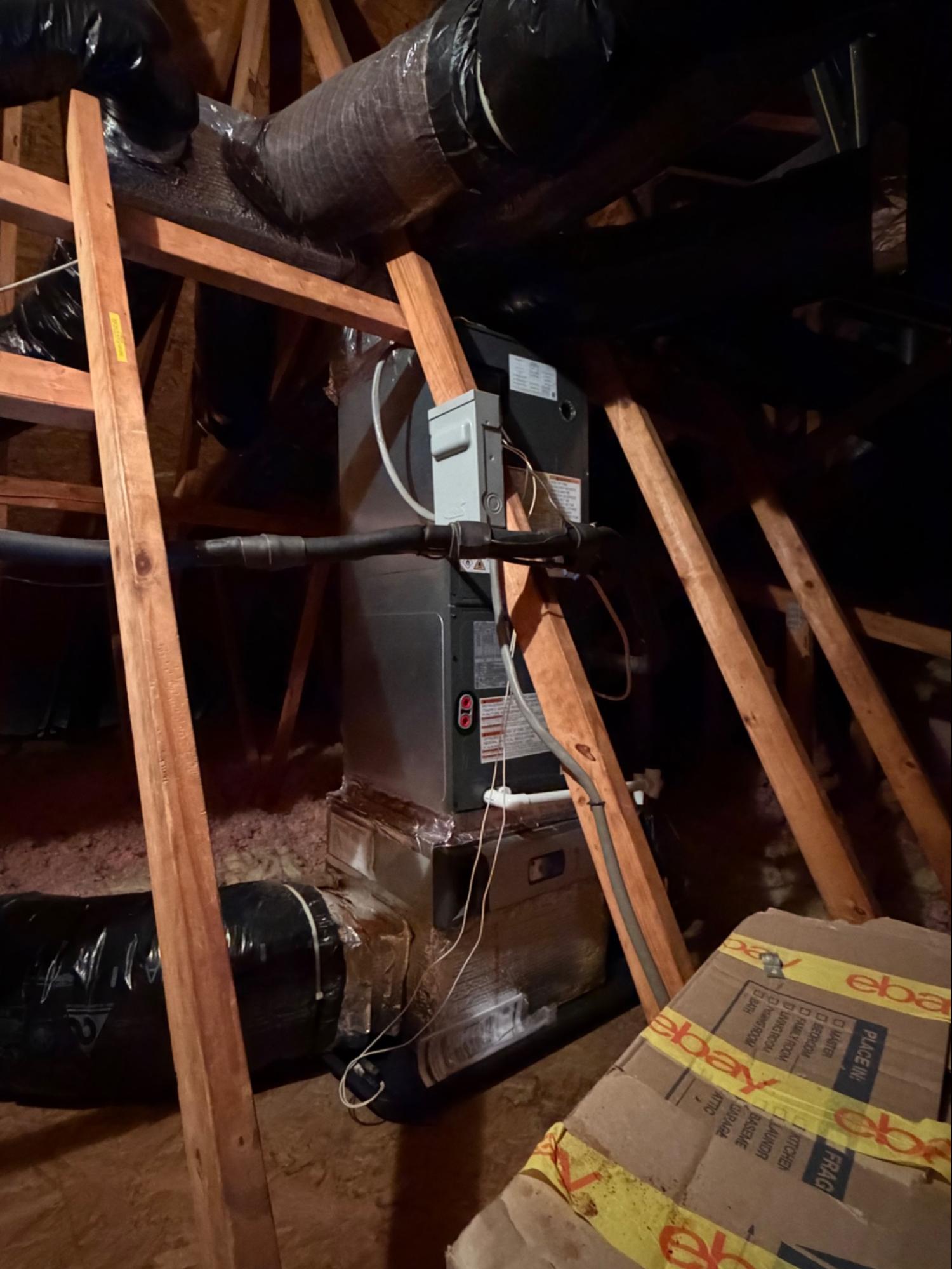
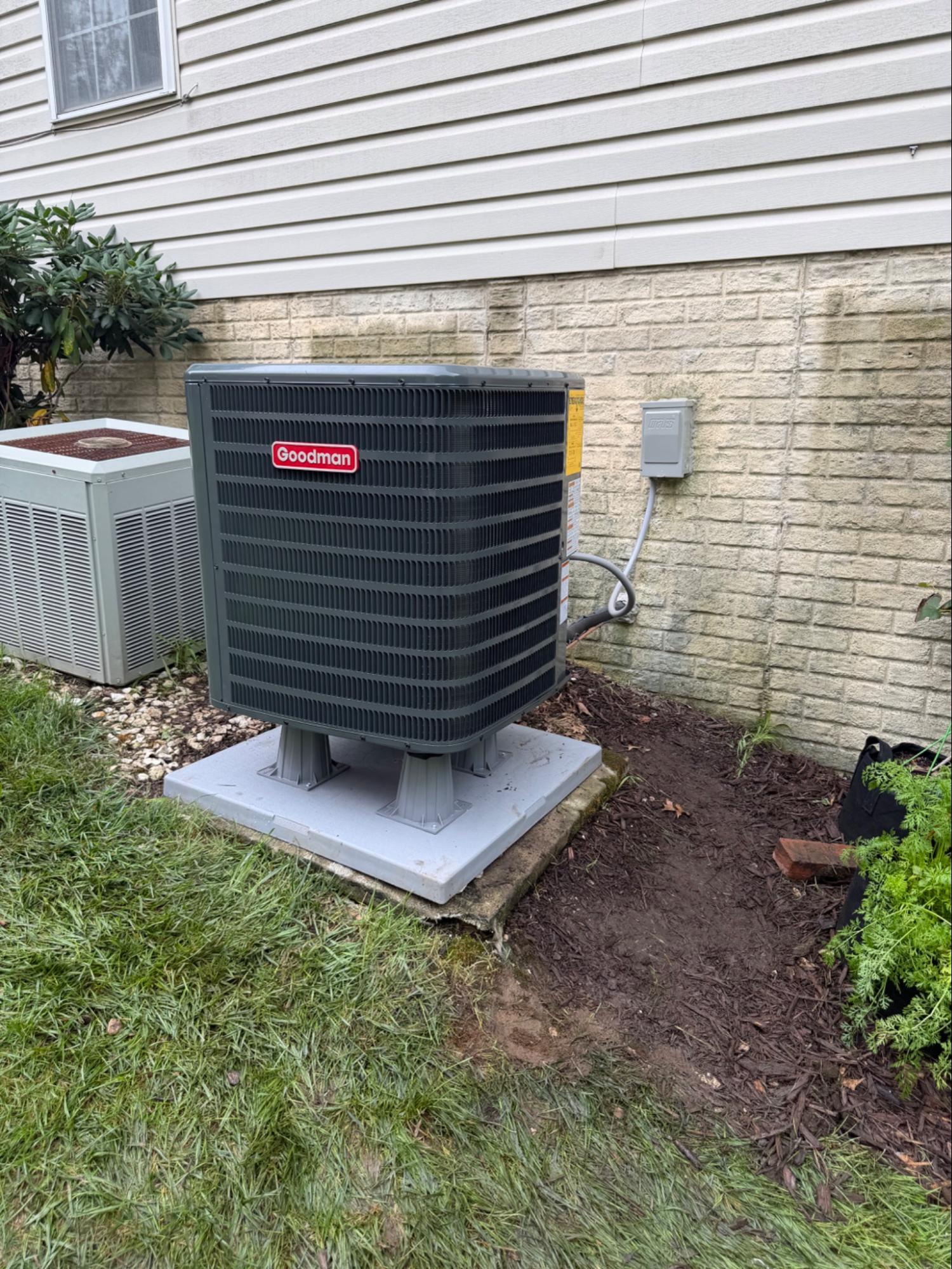
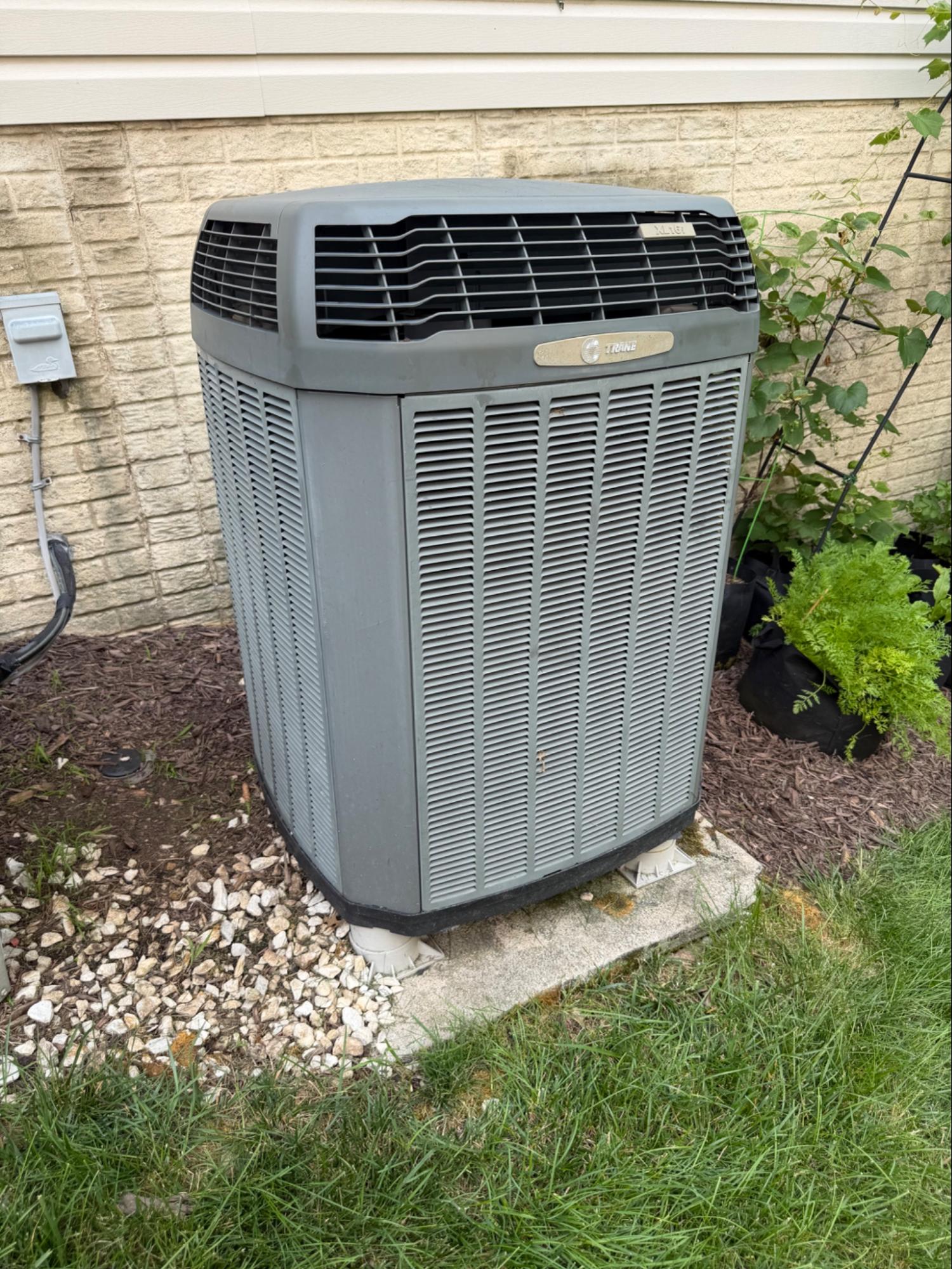

Project Location: Bowie, Maryland
Property Type: Residential Home
Service: HVAC Diagnostics & Complete Heat Pump Replacement
Equipment Installed: New Heat Pump System
Existing Equipment: 16-Year-Old Heat Pump
Warranty: 10-Year Equipment Warranty, Subject to Manufacturer Terms
The Challenge: A 16-Year-Old Heat Pump with a Failed Compressor
A homeowner in Bowie, Maryland, contacted Capital Heat Pumps after their existing heat pump stopped providing air conditioning.
Our technicians responded to the no-AC service call and performed a diagnostic evaluation to determine the cause of the failure.
During our inspection, we identified a failed compressor in the existing heat pump.
The compressor is one of the most critical components of a heat pump system. It circulates refrigerant through the equipment, allowing the system to transfer heat and provide both heating and cooling.
When a compressor fails, the heat pump can no longer operate as intended, often resulting in a loss of cooling or heating capacity.
In this case, the existing equipment was approximately 16 years old, making its age and overall condition important factors when evaluating whether to repair or replace the system.
However, our inspection didn’t stop at identifying the failed compressor.
Looking Beyond the Failure: Identifying Potential Airflow Restrictions
At Capital Heat Pumps, we believe diagnosing a failed HVAC component is only part of the process.
Whenever we encounter a major equipment failure, we also evaluate surrounding system conditions to identify issues that may have contributed to the problem or could affect replacement equipment.
During our inspection, we discovered that two air filters were being used in the existing HVAC system’s airflow path.
Although air filtration is essential for protecting HVAC equipment and maintaining indoor air quality, multiple filters installed in series can create excessive resistance when the system isn’t designed for that configuration.
This can contribute to several operating concerns:
- Increased static pressure: Additional filtration resistance can make it more difficult for air to move through the system.
- Reduced airflow: Restricted airflow can prevent the indoor coil from receiving the volume of air needed for proper operation.
- Reduced heating and cooling performance: Improper airflow can affect comfort and system efficiency.
- Longer operating times: The system may need to run longer to satisfy the thermostat.
- Additional equipment stress: Airflow restrictions can affect refrigerant operating conditions and place unnecessary strain on HVAC components.
Restricted airflow can contribute to abnormal refrigerant pressures and temperatures, potentially affecting compressor reliability over time.
While the double-filter configuration could not be confirmed as the direct cause of the compressor failure, it was an important concern identified during our evaluation.
Our goal was to understand why the equipment may have failed—not simply replace the failed component and overlook other potential problems.
This approach helps us identify existing conditions that should be evaluated when installing replacement equipment.
Our Recommendation: Compressor Repair vs. Complete Heat Pump Replacement
After completing our evaluation, we discussed the condition of the existing system and presented the homeowner with two primary options.
Option 1: Replace the Failed Compressor
The first option was to replace the compressor while retaining the remaining heat pump equipment.
This approach would address the immediate mechanical failure without requiring a complete system replacement.
However, because the equipment was already 16 years old, the homeowner would still be relying on aging components that could potentially require additional repairs in the future.
A compressor replacement can be a practical option for certain systems, particularly when the equipment is relatively new or covered by an existing manufacturer warranty.
Option 2: Replace the Complete Heat Pump System
The second option was to replace the aging heat pump with new heating and cooling equipment.
Although this required a larger upfront investment, it offered several potential advantages:
- Updated heating and cooling equipment.
- Improved energy efficiency compared with many older systems.
- Reduced dependence on aging components.
- Manufacturer warranty protection.
- Greater confidence in long-term system reliability.
The replacement equipment was offered with a 10-year equipment warranty, subject to the manufacturer’s coverage and registration requirements.
For the homeowner, this provided an opportunity to invest in a new system rather than continue spending money on major repairs to aging equipment.
The Homeowner’s Decision: Planning Ahead for Peace of Mind
After reviewing the available options, the homeowner decided to move forward with a complete heat pump replacement.
Several factors influenced this decision.
Equipment Age
At approximately 16 years old, the existing heat pump had already provided many years of service. Replacing the compressor would still leave the homeowner with other aging components.
Long-Term Reliability
Rather than investing in a major repair and potentially facing additional equipment failures, the homeowner preferred to start fresh with a new system.
Warranty Protection
The new equipment’s 10-year warranty provided additional confidence compared with continuing to maintain the older system.
Proactive Planning
The homeowner wanted to make a long-term investment rather than wait for another major component to fail.
Ultimately, the decision was based on peace of mind, equipment age, and the desire for dependable heating and cooling.
Our Solution: Complete Heat Pump System Replacement
Our team at Capital Heat Pumps removed the aging heat pump equipment and installed a new replacement system.
The new heat pump provides both heating and cooling, allowing the homeowner to maintain indoor comfort throughout Maryland’s changing seasons.
As part of our replacement approach, we also considered the airflow concerns discovered during the original diagnostic visit.
The presence of two filters highlighted the importance of reviewing filtration arrangements, airflow requirements, and potential restrictions when integrating new equipment into an existing duct system.
Proper airflow is essential for heat pump performance. Even high-quality replacement equipment can experience operating problems when connected to a restrictive air distribution system.
Our installation focused on the new equipment, proper system connections, and the operating requirements necessary to support long-term reliability.
The Results: A New Heat Pump with Attention to Long-Term Performance
The completed project provided the homeowner with updated heating and cooling equipment after the failure of their 16-year-old system.
Project highlights included:
- Responded to a no-air-conditioning service call in Bowie, Maryland.
- Diagnosed a failed compressor in the existing heat pump.
- Evaluated potential contributing factors rather than focusing only on the failed component.
- Identified two air filters installed in the existing airflow path.
- Recognized the potential for increased static pressure and restricted airflow.
- Presented compressor repair and complete heat pump replacement options.
- Helped the homeowner compare the long-term value of repairing versus replacing a 16-year-old system.
- Installed a new heat pump system.
- Provided new equipment with 10-year warranty coverage, subject to manufacturer terms.
- Emphasized the importance of proper airflow and filtration for long-term system performance.
The homeowner chose to invest in a new heat pump rather than repair the failed compressor, prioritizing reliability, warranty protection, and peace of mind.
Why Proper Airflow Matters When Replacing a Heat Pump
One of the most important lessons from this project is that HVAC equipment reliability depends on more than the equipment itself.
A heat pump requires proper airflow, refrigerant operation, and electrical performance to operate within the manufacturer’s intended conditions.
When airflow is restricted, the system may experience abnormal operating pressures and temperatures, reduced capacity, and additional component stress.
Using multiple filters without evaluating the system’s airflow requirements can contribute to unnecessary resistance.
That’s why our team considers several factors when evaluating equipment failures and replacements:
- Air filter configuration and condition.
- Return and supply air ductwork.
- Potential airflow restrictions.
- Indoor coil condition.
- Equipment age and overall operating condition.
- Manufacturer airflow requirements.
At Capital Heat Pumps, we believe understanding the complete HVAC system is essential to making informed repair and replacement recommendations.
Need a Heat Pump Replacement in Bowie, MD?
At Capital Heat Pumps, we specialize in residential heat pump diagnostics, compressor troubleshooting, airflow evaluations, air conditioning repairs, and complete heating and cooling system replacements.
Whether your heat pump has stopped cooling, developed a compressor problem, or is approaching the end of its service life, our team can help you evaluate your options.
We don’t just focus on replacing failed components. We also look at the surrounding system conditions to identify potential issues that may affect equipment performance and reliability.
We proudly serve homeowners throughout Bowie, Prince George’s County, and the surrounding Maryland and DC Metro areas.
Contact Capital Heat Pumps today to schedule an HVAC diagnostic appointment or request an estimate for a new heat pump installation.
Capital Heat Pumps — Looking Beyond the Problem to Deliver Long-Term Comfort.
