
Townhome Heat Pump Replacement in Upper Marlboro, MD – Addressing Low Refrigerant and Improving Water Damage Protection
Helping an Upper Marlboro homeowner make an informed decision between refrigerant leak repair and complete heat pump replacement while adding protection against future condensate overflow.
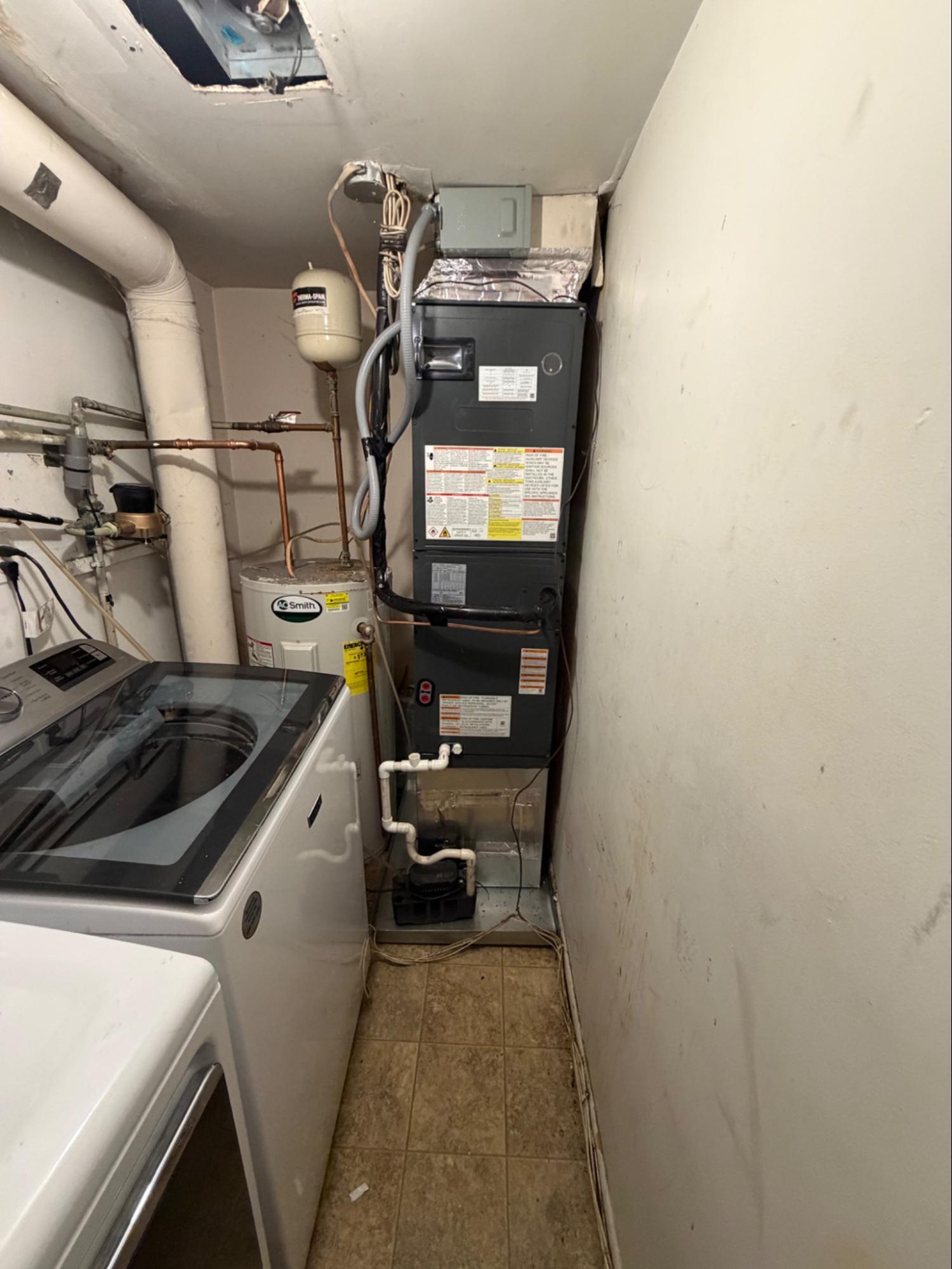
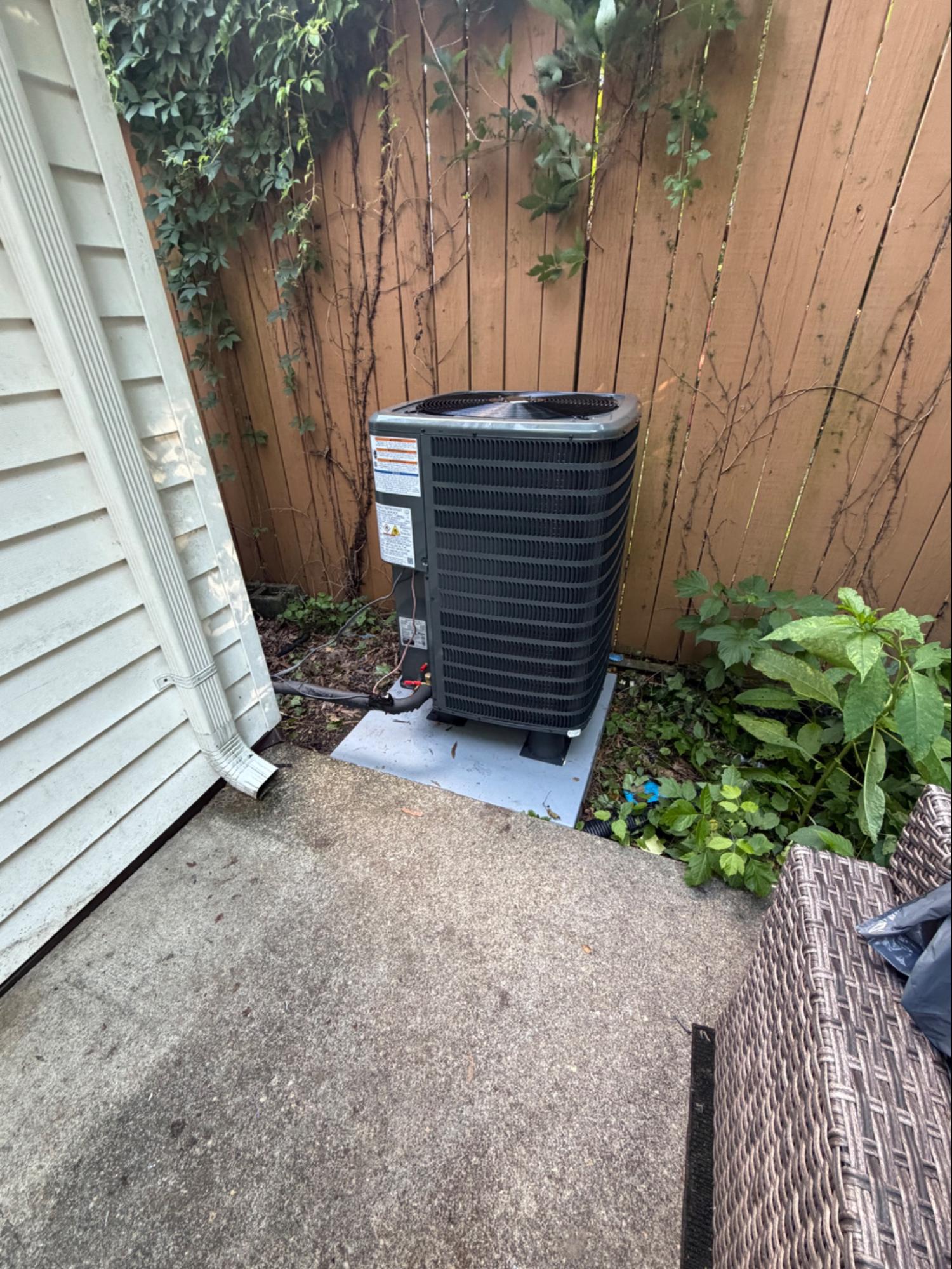
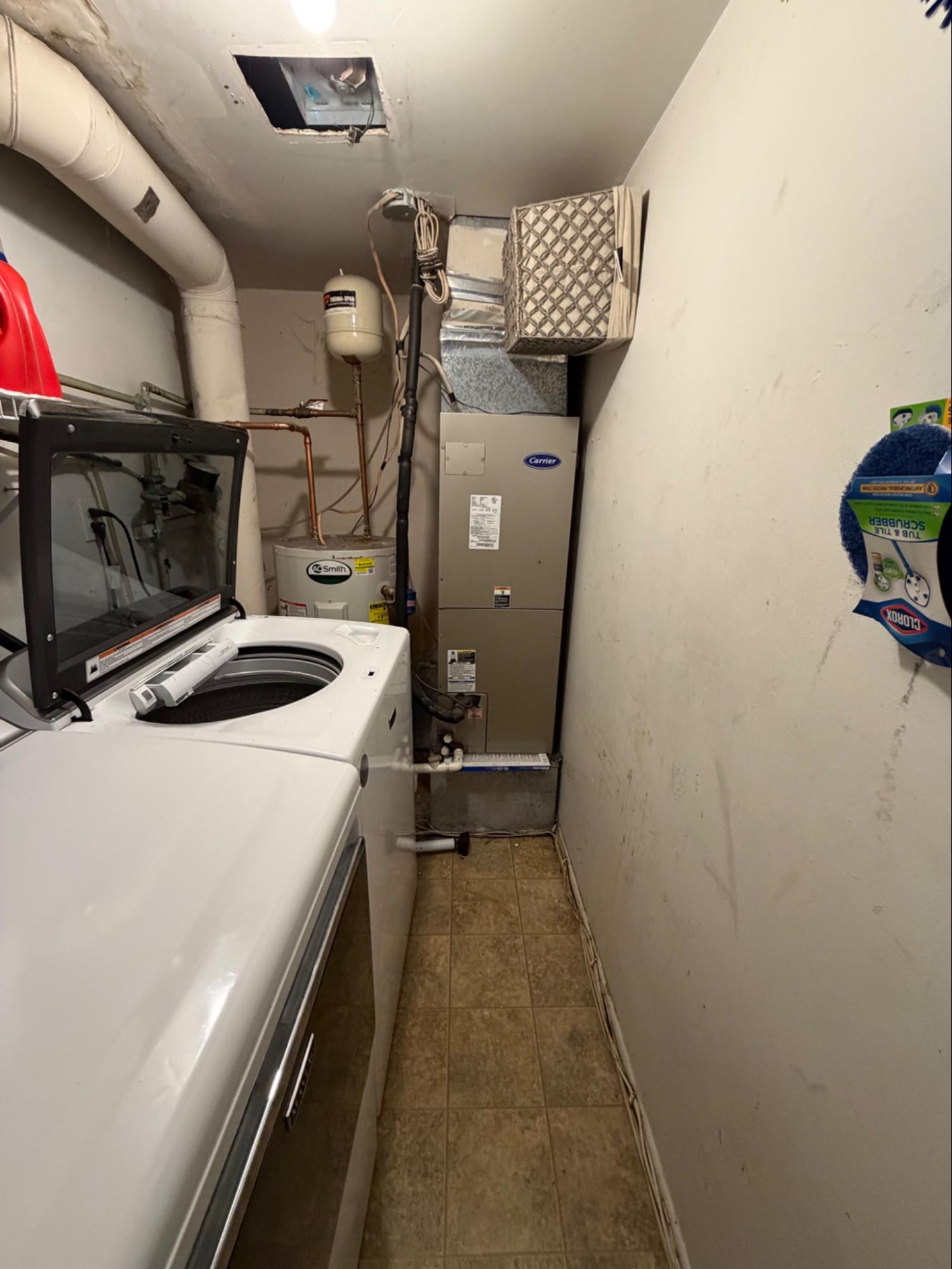

Project Location: Upper Marlboro, Maryland
Property Type: Residential Townhome
Service: Heat Pump Diagnosis & Complete System Replacement
Equipment Installed: New Heat Pump System & Auxiliary Condensate Drain Pan
Existing Equipment: Aging Heat Pump System with No Remaining Warranty
The Challenge: An Aging Heat Pump with Low Refrigerant
A homeowner in Upper Marlboro, Maryland, contacted Capital Heat Pumps after experiencing performance problems with their existing heat pump system.
During our diagnostic evaluation, we identified that the system was operating with a low refrigerant charge, indicating a potential refrigerant leak.
Refrigerant is essential to a heat pump’s heating and cooling operation. When the system loses refrigerant, it can struggle to maintain comfortable indoor temperatures and may experience reduced efficiency or additional strain on major components.
The existing heat pump was also aging and no longer had warranty coverage, making the cost of potential repairs an important consideration.
Rather than immediately recommending a replacement, our team explained the available options and helped the homeowner understand the advantages, limitations, and long-term implications of each approach.
Our Diagnosis: Five Options for a Low-Refrigerant HVAC System
At Capital Heat Pumps, we believe homeowners deserve a clear explanation of their options before making an expensive HVAC decision.
When a system is low on refrigerant, there are generally five possible approaches to consider.
Option 1: Take No Action
The homeowner could choose not to perform any repairs.
However, continuing to operate a heat pump with insufficient refrigerant can lead to poor heating and cooling performance, reduced efficiency, and potential compressor damage.
This option does not address the underlying problem and is not recommended as a long-term solution.
Option 2: Add Refrigerant
Adding refrigerant may temporarily restore system performance if the system is undercharged.
However, if refrigerant has escaped through a leak, adding more refrigerant does not repair the source of the leak.
The system may eventually lose refrigerant again, resulting in additional service costs and recurring performance problems.
Option 3: Add Refrigerant Leak Sealant and Refrigerant
Another possible approach involves using a refrigerant leak-sealing product along with additional refrigerant.
These products are marketed as a way to address certain small leaks, but their effectiveness can vary depending on the leak location, size, and system conditions.
Leak sealants are not a guaranteed repair and may introduce compatibility or serviceability concerns. They should only be considered when appropriate for the equipment and permitted by the manufacturer.
Option 4: Locate and Repair the Refrigerant Leak
Our recommended repair approach was to perform a refrigerant leak search, identify the source of the refrigerant loss, and evaluate whether a proper repair could be completed.
This approach addresses the underlying problem rather than simply adding refrigerant to a leaking system.
Depending on the leak location, the repair might involve repairing refrigerant piping or replacing a leaking component, such as an indoor evaporator coil or outdoor coil.
After completing a suitable repair, the system would need to be properly tested, evacuated where applicable, and charged according to manufacturer requirements.
However, because the existing heat pump was aging and no longer under warranty, the homeowner also needed to consider whether investing in repairs would make financial sense.
Option 5: Complete Heat Pump System Replacement
The final option was to replace the existing heat pump with a new system.
Although replacement involves a higher upfront investment, it provides an opportunity to upgrade aging equipment rather than continue investing in a system with no remaining warranty coverage.
A new heat pump can offer modern efficiency, updated components, and manufacturer warranty protection, subject to the applicable warranty terms.
The Homeowner’s Decision: Investing in a New Heat Pump
After reviewing the five options, the homeowner considered the condition of the existing system, its age, the lack of warranty coverage, and the possibility of additional repair expenses.
While locating and repairing the refrigerant leak was a viable approach to investigate, the homeowner preferred not to continue investing in older equipment.
Instead, they decided to move forward with a complete heat pump system replacement.
The decision was based on long-term value, reliability, and the opportunity to start fresh with updated heating and cooling equipment.
At Capital Heat Pumps, we respect that every homeowner has different priorities. Our role is to explain the available solutions and help customers make informed decisions based on their equipment condition, comfort needs, and budget.
Our Solution: Complete Heat Pump Replacement with Additional Condensate Protection
1. New Heat Pump System Installation
Our team replaced the existing heat pump system with new heating and cooling equipment.
The replacement eliminated the need to continue repairing the aging system and provided the homeowner with updated equipment for year-round comfort.
Because the property was a townhome, our installation approach focused on maintaining a practical equipment configuration suited to the available space.
2. New Auxiliary Drain Pan Beneath the Indoor Air Handler
One of the most important additional improvements involved protecting the room where the indoor air handler was installed.
As part of the replacement, we installed a new auxiliary condensate drain pan beneath the indoor air handler.
During normal cooling operation, the indoor coil removes moisture from the air. This condensation is collected and directed away through the system’s primary condensate drain.
However, if the drain line becomes clogged, disconnected, or develops a leak, water may escape from the equipment.
Without appropriate protection, that water could potentially damage the surrounding flooring, walls, or other building materials.
The new auxiliary drain pan provides an additional collection area beneath the air handler to help contain water from certain drainage failures.
This was an important preventive improvement designed to reduce the risk of future water damage in the mechanical room.
Although an auxiliary drain pan cannot prevent every possible water leak, it provides another layer of protection when properly installed and maintained.
Why We Recommended Additional Water Protection
When replacing HVAC equipment, our team looks beyond the immediate mechanical problem to identify practical improvements that can help protect the homeowner’s property.
In this case, the original service concern involved low refrigerant, but the replacement also created an opportunity to improve condensate management.
Adding an auxiliary drain pan beneath the air handler was a relatively straightforward improvement compared with the potential cost and inconvenience of future water damage.
Proper drainage, regular maintenance, and appropriate overflow protection all play important roles in keeping an HVAC system operating safely.
At Capital Heat Pumps, we believe these details are an important part of a quality installation.
The Results: A New Heat Pump and Improved Property Protection
The completed project provided the homeowner with a new heating and cooling system and additional protection against potential condensate drainage problems.
Project highlights included:
- Diagnosed a low refrigerant condition in the existing heat pump.
- Explained five available approaches to addressing the refrigerant issue.
- Recommended locating and repairing the refrigerant leak as a repair option.
- Evaluated the age, condition, and lack of warranty coverage on the existing equipment.
- Helped the homeowner compare repair costs and long-term replacement considerations.
- Replaced the aging heat pump system.
- Installed a new auxiliary condensate drain pan beneath the indoor air handler.
- Improved protection against potential condensate-related water damage in the mechanical room.
The homeowner chose a long-term equipment replacement rather than continuing to invest in an aging system without warranty coverage.
Should You Repair a Refrigerant Leak or Replace Your Heat Pump?
Not every refrigerant leak requires a complete HVAC replacement.
In many cases, locating and repairing the leak may be the most practical solution, particularly when the equipment is relatively new or still covered by a manufacturer warranty.
However, when a heat pump is older, out of warranty, or experiencing repeated performance problems, replacement may offer better long-term value.
Before deciding, homeowners should consider:
- The age and overall condition of the heat pump.
- The location and severity of the refrigerant leak.
- The cost of locating and repairing the leak.
- The availability of replacement components.
- Remaining manufacturer warranty coverage.
- The potential benefits of installing newer equipment.
At Capital Heat Pumps, we explain the available options so homeowners can make informed decisions rather than feeling pressured into unnecessary repairs or replacements.
Need a Heat Pump Replacement in Upper Marlboro, MD?
At Capital Heat Pumps, we specialize in residential heat pump diagnostics, refrigerant leak detection, air conditioning repairs, complete HVAC system replacements, and condensate drainage improvements.
Whether your heat pump is low on refrigerant, no longer cooling properly, or approaching the end of its service life, our team can help you understand your options.
We proudly serve homeowners throughout Upper Marlboro, Prince George’s County, and the surrounding Maryland and DC Metro areas.
Contact Capital Heat Pumps today to schedule a heat pump evaluation or request an estimate for a new heating and cooling system.
Capital Heat Pumps — Clear Options, Quality Installations, and Long-Term Home Comfort.
